Cases
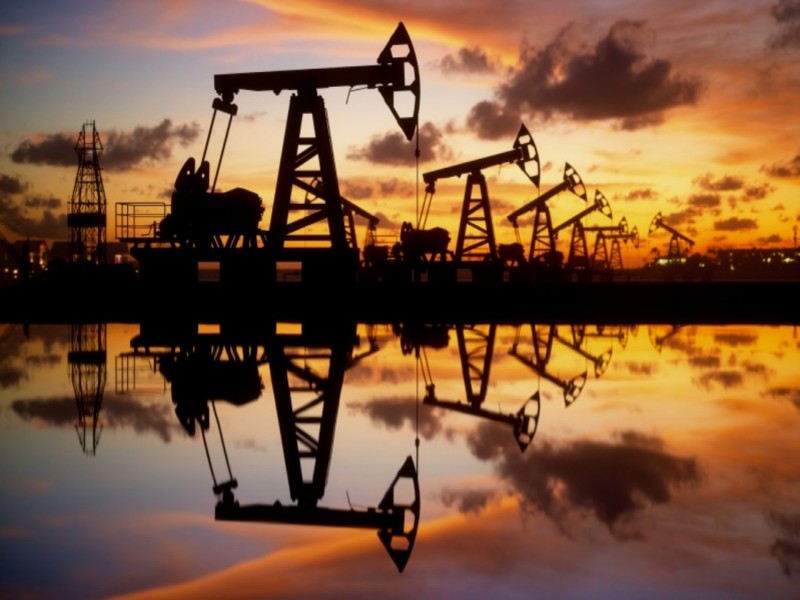
Oilfield drilling wastewater treatment site
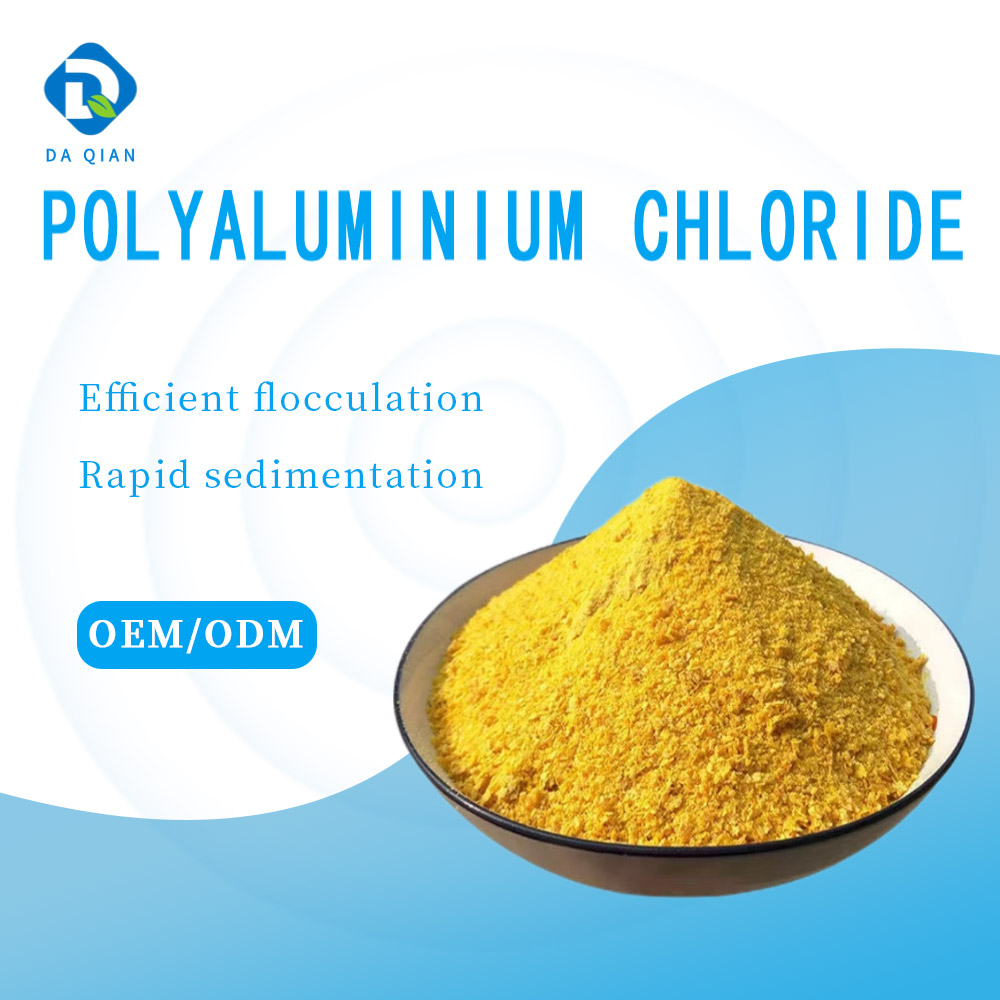
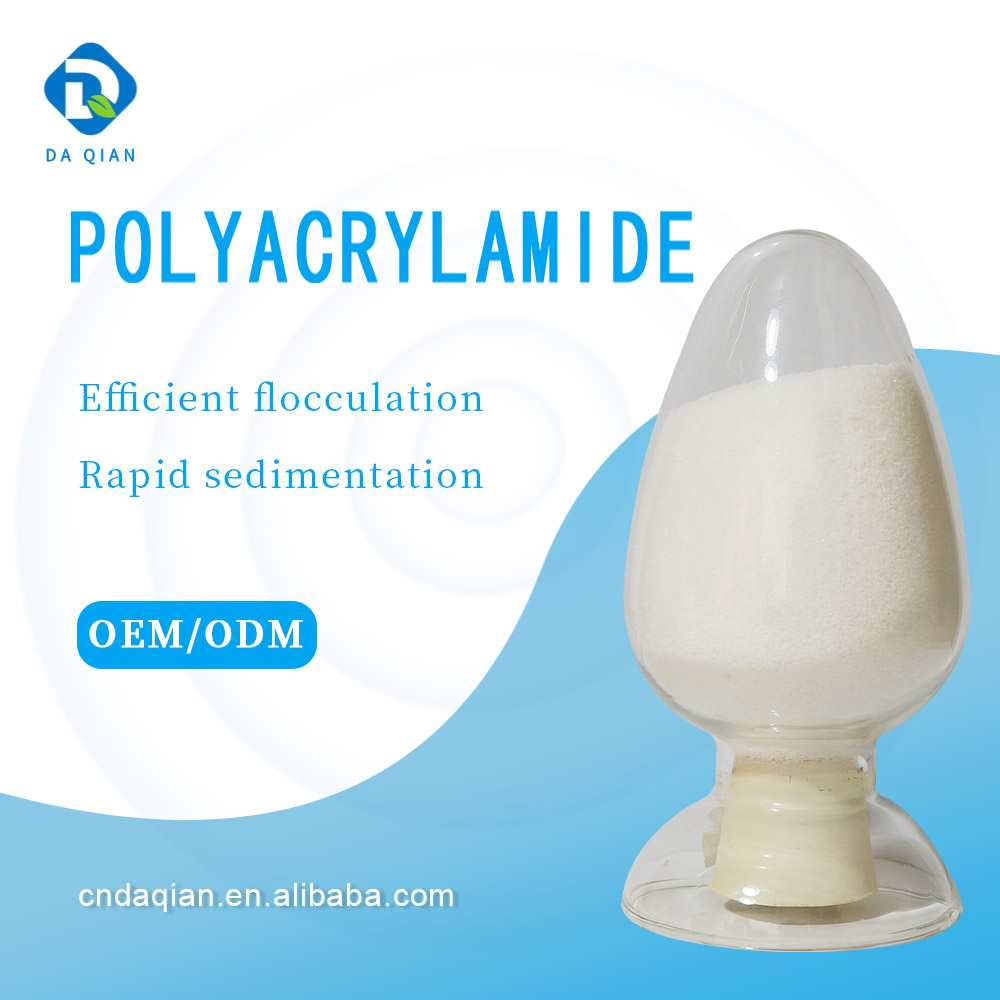
A certain oilfield drilling team generates a large amount of waste water-based drilling fluid during the operation process, with a daily production of about 150 cubic meters. The drilling fluid contains bentonite, barite, sulfonated phenolic resin, sodium carboxymethyl cellulose, and oil substances. The system is highly stable, with fine solid particles (mostly less than 10 μ m in size) and a COD concentration of 8000-12000mg/L. Despite natural settling for several months, it still cannot be clarified. The on-site mud pool has high storage pressure, and there is a risk of leakage and overflow, with a high risk of environmental penalties. Adopting the treatment process of “chemical gel breaking and destabilization+composite flocculation+mechanical pressure filtration”: firstly, pH regulator is added to adjust the pH to an acidic environment of 5-6, which destroys the original stable system of the drilling fluid; Subsequently, polyaluminum chloride (PAC) and anionic polyacrylamide (PAM, molecular weight 12 million) were added in sequence, with dosages of 0.167% and 85 ppm, respectively. The adsorption bridging effect of PAM was utilized to rapidly coagulate small particles into clusters; Finally, solid-liquid separation is carried out through a plate and frame filter press. After implementation, the COD removal rate reached over 97%, the filtrate was clear and transparent, and the suspended solids were less than 30mg/L. It can be directly reused for drilling slurry preparation or meet emission standards; The moisture content of the mud cake is less than 60%, and the volume reduction is more than 85%. After covering with soil and burying, the landform can be restored. This technology processes approximately 50000 cubic meters of waste drilling fluid annually, saving about 2 million yuan in mud transportation and disposal costs, and completely eliminating environmental safety hazards in mud pits.