Cases
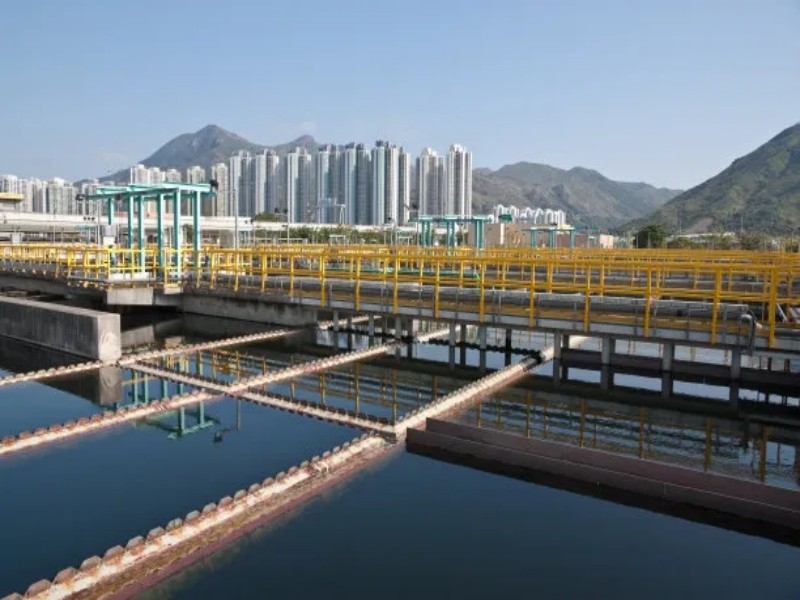
On site treatment of municipal sewage
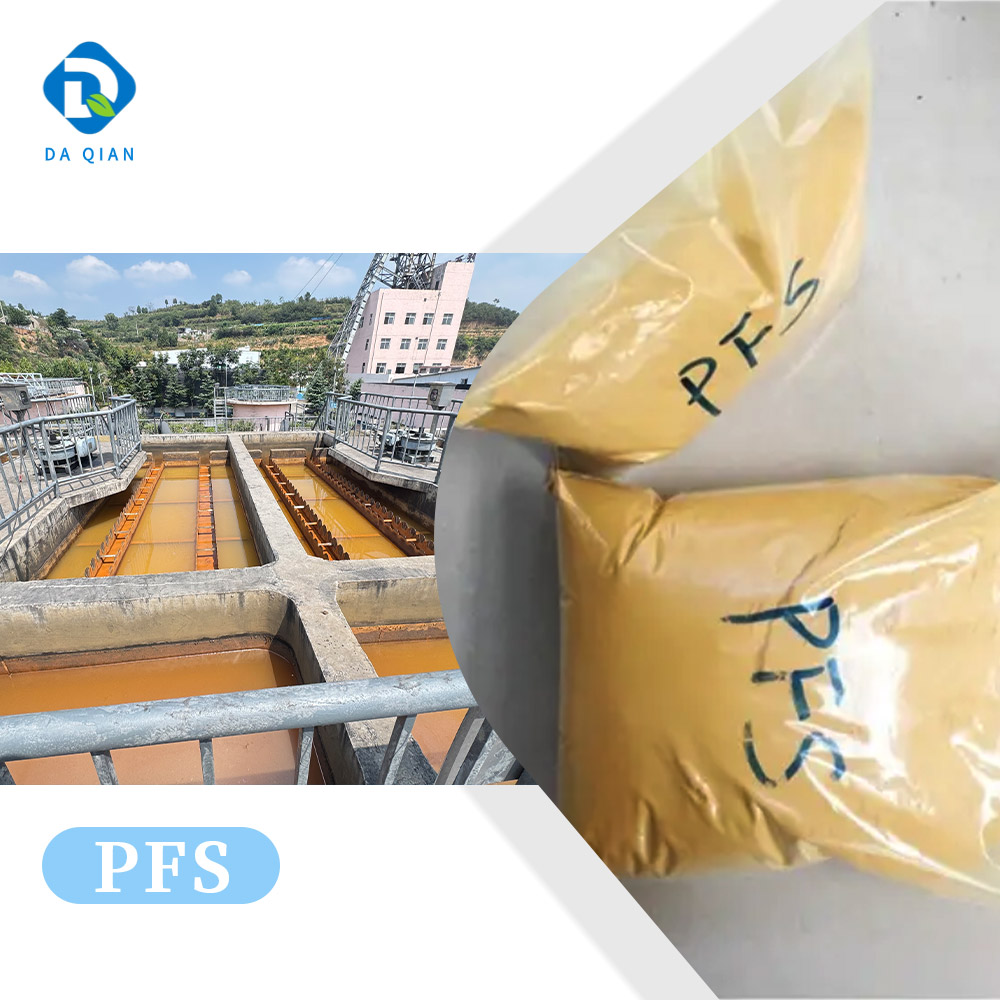
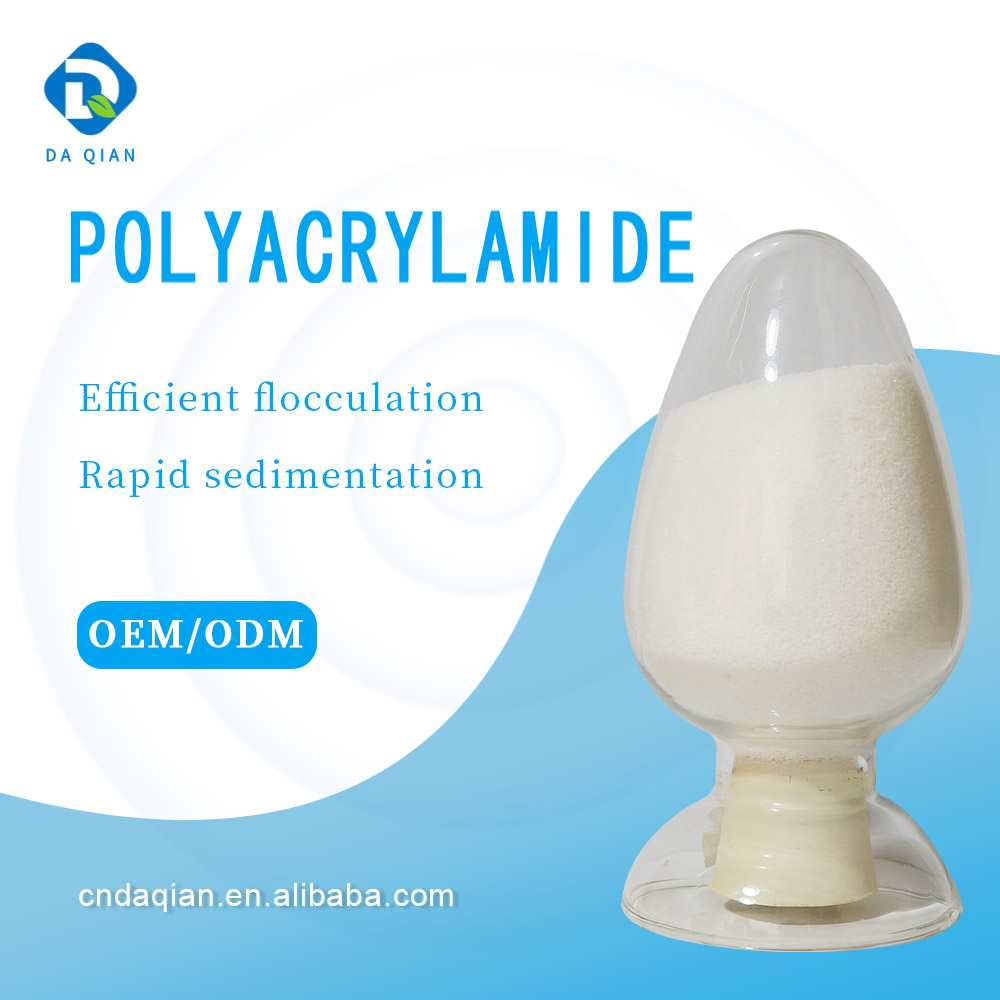
A sewage treatment plant in a southern city is designed to treat 100000 tons per day, using the “A ²/O+secondary sedimentation tank+deep filtration” process. However, the actual inflow water quality fluctuates greatly, and the sludge settling performance is poor in winter. The secondary sedimentation tank often experiences sludge leakage, and the effluent SS and total phosphorus occasionally exceed the standard. The sludge dewatering process uses a belt filter press. The original cationic PAM unit consumption is as high as 4.5kg/ton of dry sludge, and the moisture content of the sludge cake is still around 82%. The cost of transporting and landfilling is high, and the dewatering filtrate is turbid, which increases the system load when refluxed to the front end. To address the above issues, drug selection and process optimization were carried out: high ionicity (50%) cationic polyacrylamide with a molecular weight of 10 million was screened through beaker experiments, and inorganic flocculant polyferric sulfate (PFS) was used as a coagulant aid; Simultaneously adjust the belt tension and flushing pressure of the belt filter press, and add a dynamic mixer in the concentration section. After implementation, the PAM unit consumption decreased from 4.5kg/ton of dry sludge to 3.2kg/ton of dry sludge, the dosage of polymeric ferric sulfate was 0.5% of the dry sludge, the moisture content of the sludge cake remained stable below 75%, the filtrate was clear and transparent, the SS was below 50mg/L, and the impact of reflux sludge on the biochemical system was significantly reduced. The effluent SS of the secondary sedimentation tank has decreased from 25mg/L to below 10mg/L, and the total phosphorus compliance rate has increased to 99.5%. The accumulated cost savings of PAM agents throughout the year are about 280000 yuan, reducing the amount of sludge transported outside by about 6500 tons (calculated based on moisture content), while avoiding the risk of punishment from an environmental inspection. This case has been promoted as a benchmark for improving the quality and efficiency of sewage treatment plants in the city.