Cases
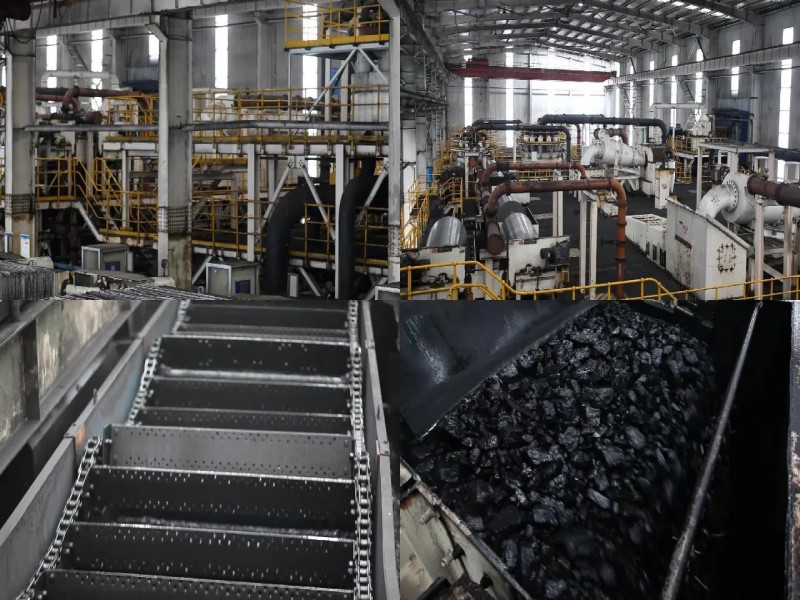
Large scale beneficiation plant wastewater treatment
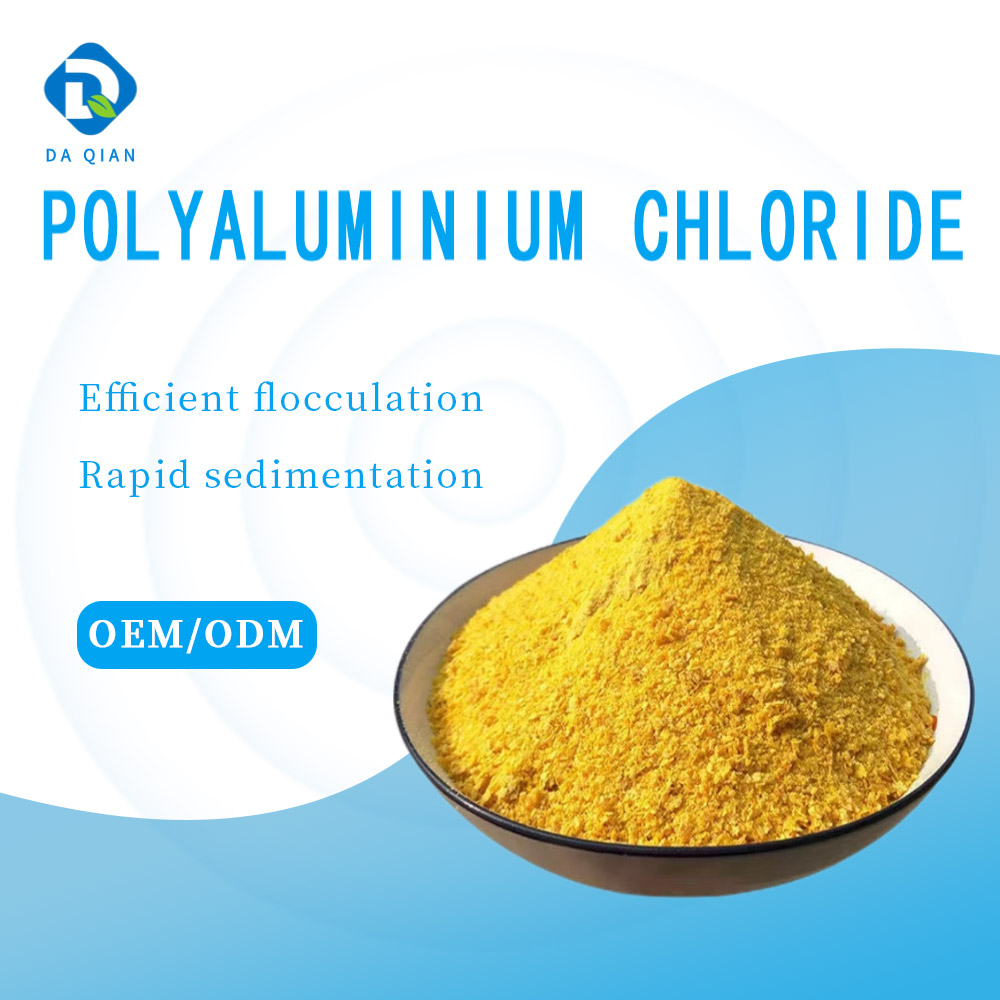
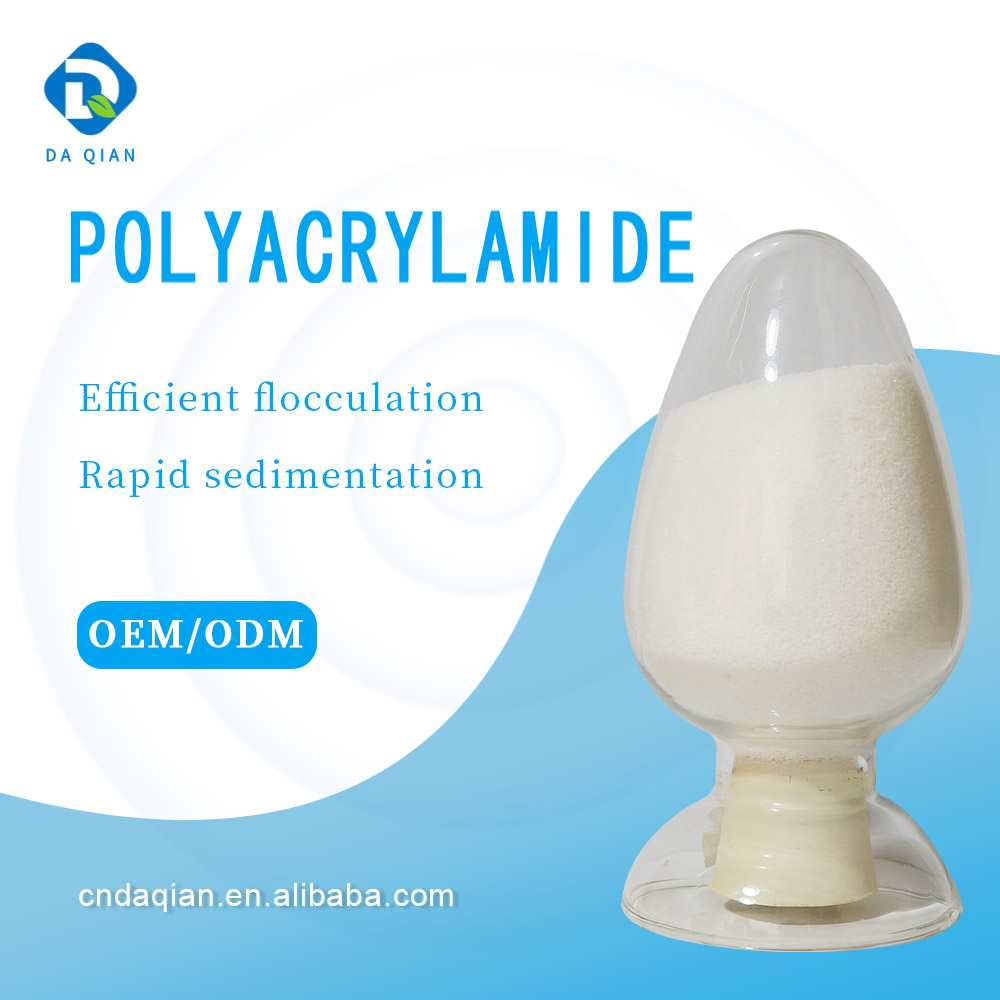
A large iron ore beneficiation plant adopts wet magnetic separation technology, with a daily output of about 8000 cubic meters of tailings wastewater. The wastewater contains a large amount of fine-grained iron tailings (-200 mesh, accounting for 65%), residual flotation agents (such as fatty acid collectors), and a small amount of heavy metal ions. The concentration of suspended solids is as high as 30000 to 50000 mg/L, and the natural settling rate is extremely slow. The solid content of the overflow water from the original thickener still exceeds 1000 mg/L, which cannot be directly reused. As a result, a large amount of tailings slurry is discharged into the tailings pond, and the storage capacity pressure is high with a return water rate of less than 60%. A large amount of new water needs to be replenished every year. In response to this issue, a customized “high-efficiency thickener+composite flocculation system” renovation plan was developed: polyaluminum chloride (PAC) and anionic polyacrylamide (PAM, with a molecular weight of 15 million and a hydrolysis degree of 25-30%) were sequentially added to the thickener feed pipe, with the PAM dosage controlled at 5-10g/ton of dry ore. The strong adsorption bridging effect of PAM was utilized to rapidly coagulate the fine iron tailings into large particle flocs, accelerating sedimentation. At the same time, increase the bottom flow concentration of the thickener from 30% to over 55%, and reduce the suspended solids concentration in the overflow water to below 200mg/L. After the transformation, the efficiency of tailings concentration has increased by 50%, and the reuse rate of overflow water has increased from less than 60% to over 90%, saving about 2 million cubic meters of new water annually; After the bottom flow enters the pressure filtration system, the moisture content of the filter cake is less than 18%, which can be directly stacked or transported as building materials, completely solving the risk of tailings pond swelling. In addition, the cost of a ton of mineral flocculant is only 0.8 yuan, reducing the annual investment cost for tailings pond expansion by about 5 million yuan.