Company News
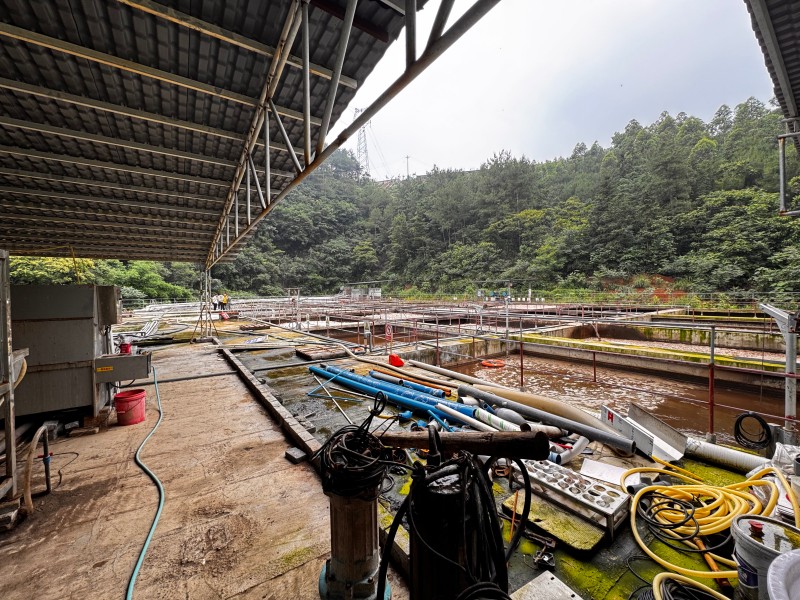
Polyacrylamide in Aquaculture Wastewater Treatment: Improving Water Quality and Operational Efficiency
Introduction
As the global aquaculture industry continues to expand, wastewater management has become a critical challenge for fish farms, shrimp farms, and other aquatic breeding operations. Large volumes of wastewater generated during aquaculture activities often contain suspended solids, uneaten feed, organic matter, fish waste, and microorganisms. If discharged without proper treatment, these pollutants can negatively impact surrounding water bodies and aquatic ecosystems.
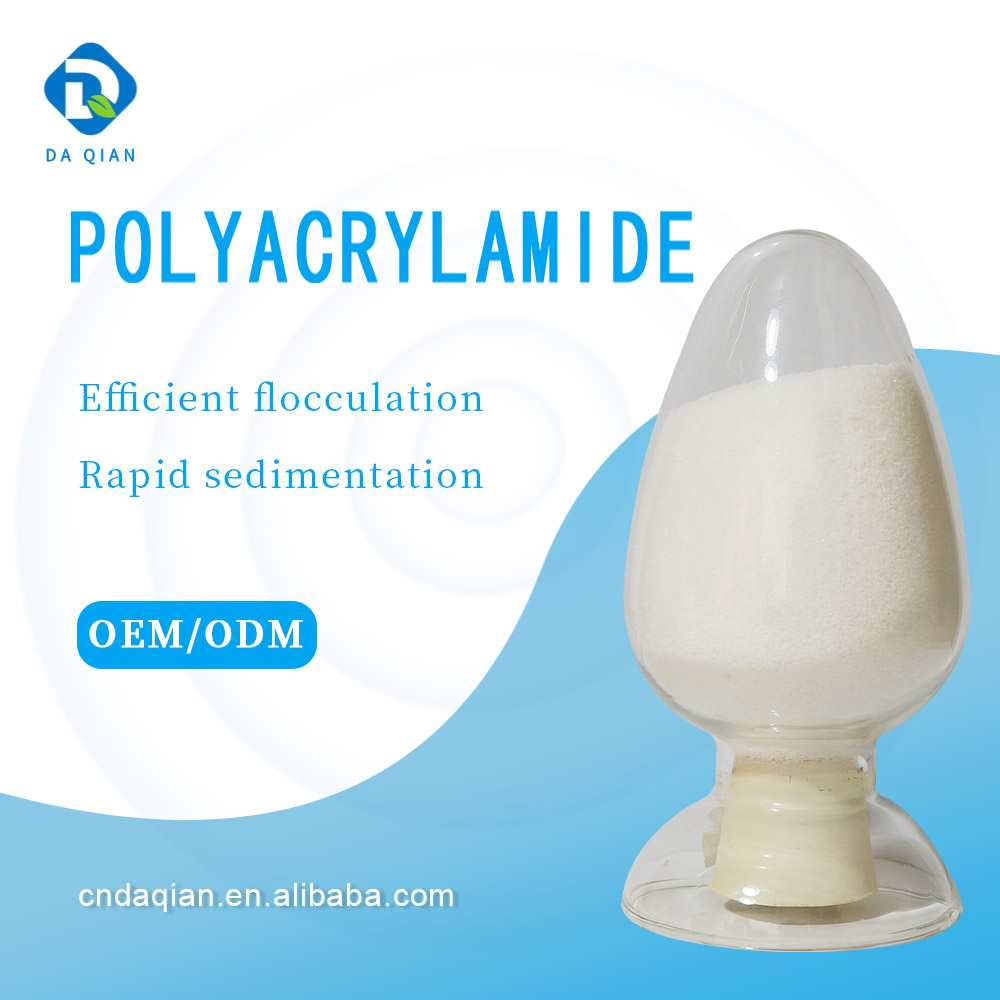
Polyacrylamide (PAM), a highly effective flocculant, has become an important solution for improving aquaculture wastewater treatment efficiency. By enhancing solid-liquid separation, PAM helps aquaculture facilities achieve cleaner effluent and more sustainable operations.
Characteristics of Aquaculture Wastewater
Aquaculture wastewater typically contains:
- Suspended solids (SS)
- Residual feed particles
- Fish and shrimp excrement
- Organic pollutants
- Nitrogen and phosphorus compounds
- Algae and microorganisms
These contaminants increase water turbidity and place a significant burden on wastewater treatment systems. Efficient removal of suspended particles is often the first step toward improving overall treatment performance.
How Polyacrylamide Works
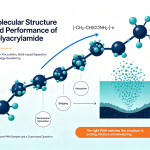
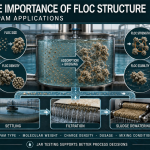
Polyacrylamide functions as a flocculating agent by promoting the aggregation of fine suspended particles into larger flocs. These larger particles settle more quickly, making them easier to remove through sedimentation, flotation, or filtration processes.
When properly selected and dosed, PAM can:
- Accelerate settling speed
- Improve water clarity
- Reduce suspended solids
- Enhance sludge dewatering performance
- Lower operating costs of treatment systems
The selection of anionic, cationic, or nonionic polyacrylamide depends on the specific characteristics of the wastewater and treatment process.
Applications in Aquaculture Facilities
Fish Farming Operations
Fish ponds and recirculating aquaculture systems generate significant quantities of suspended solids from feed residues and biological waste. PAM helps aggregate these particles, allowing for faster separation and cleaner water recycling.
Shrimp Farming
Shrimp farming wastewater often contains fine organic particles and high concentrations of nutrients. Polyacrylamide improves clarification efficiency and supports downstream treatment processes.
Hatcheries and Breeding Facilities
Water quality is particularly important in hatcheries. PAM can be used in wastewater treatment units to reduce turbidity and improve system stability.
Benefits of Using Polyacrylamide in Aquaculture Wastewater Treatment
Improved Solid-Liquid Separation
PAM significantly enhances particle aggregation, resulting in faster sedimentation and clearer treated water.
Reduced Sludge Volume
By improving floc formation, wastewater treatment systems can operate more efficiently and generate more manageable sludge.
Increased Treatment Efficiency
Better clarification reduces the workload on downstream filtration and biological treatment equipment.
Cost Savings
Efficient flocculation can reduce chemical consumption, maintenance requirements, and overall operational expenses.
Environmental Compliance
Cleaner discharge water helps aquaculture farms meet increasingly strict environmental regulations.
Combining PAM with Other Treatment Technologies
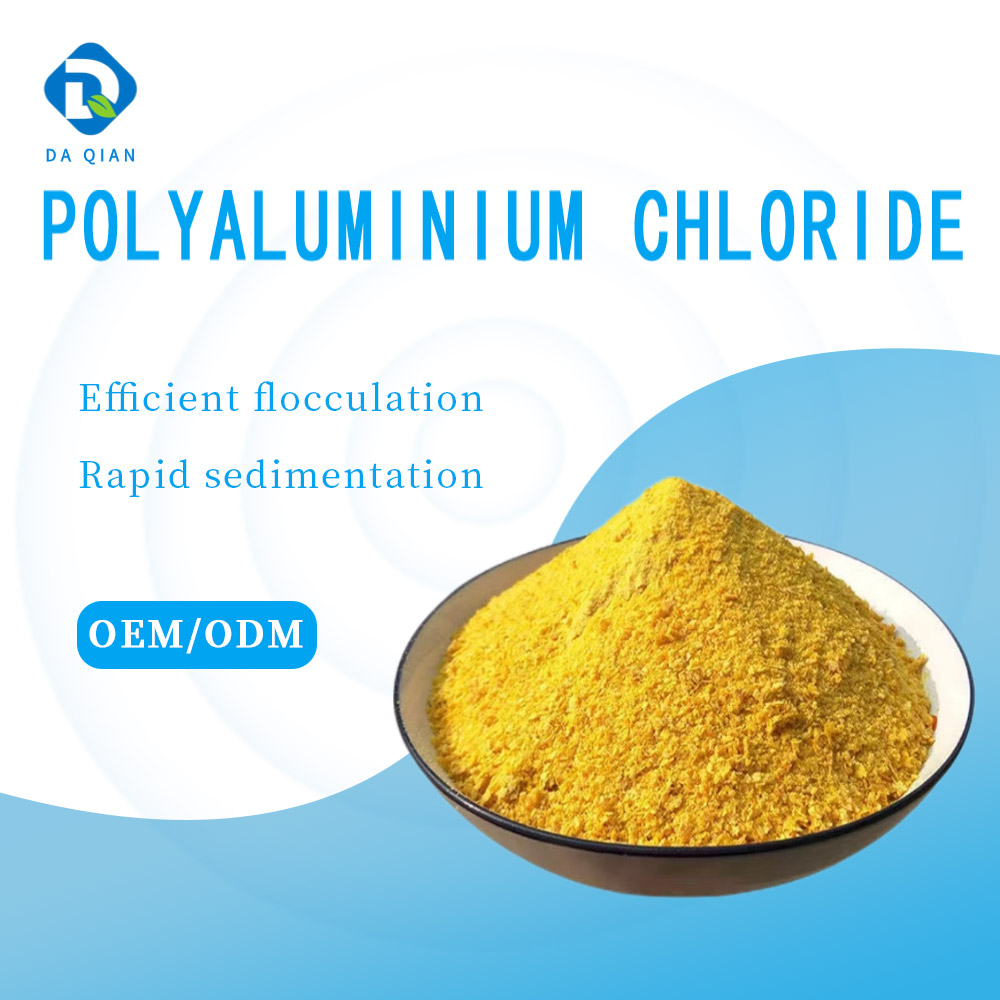
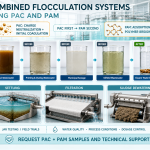
For optimal results, polyacrylamide is often used together with coagulants such as Polyaluminum Chloride (PAC). The coagulant destabilizes suspended particles, while PAM bridges the particles into larger flocs.
Additional treatment technologies may include:
- Sedimentation tanks
- Dissolved Air Flotation (DAF)
- Biological treatment systems
- Sand filtration
- Membrane filtration
The combination of these technologies depends on wastewater composition and discharge requirements.
Selecting the Right Polyacrylamide
No single PAM grade is suitable for every aquaculture application. Factors such as pH, suspended solids concentration, salinity, and treatment objectives should be evaluated before product selection.
Laboratory jar testing is recommended to determine the most effective molecular weight, ionic charge, and dosage level for each wastewater stream.
Conclusion
As aquaculture operations continue to grow, efficient wastewater management is becoming increasingly important. Polyacrylamide offers an effective and economical solution for improving solid-liquid separation, enhancing water clarity, and supporting environmental sustainability.
With proper product selection and application, PAM can help aquaculture facilities achieve higher treatment efficiency, lower operational costs, and improved compliance with environmental standards.
If you are looking for a reliable polyacrylamide supplier for aquaculture wastewater treatment, contact us for technical support, product recommendations, and customized solutions.