Company News
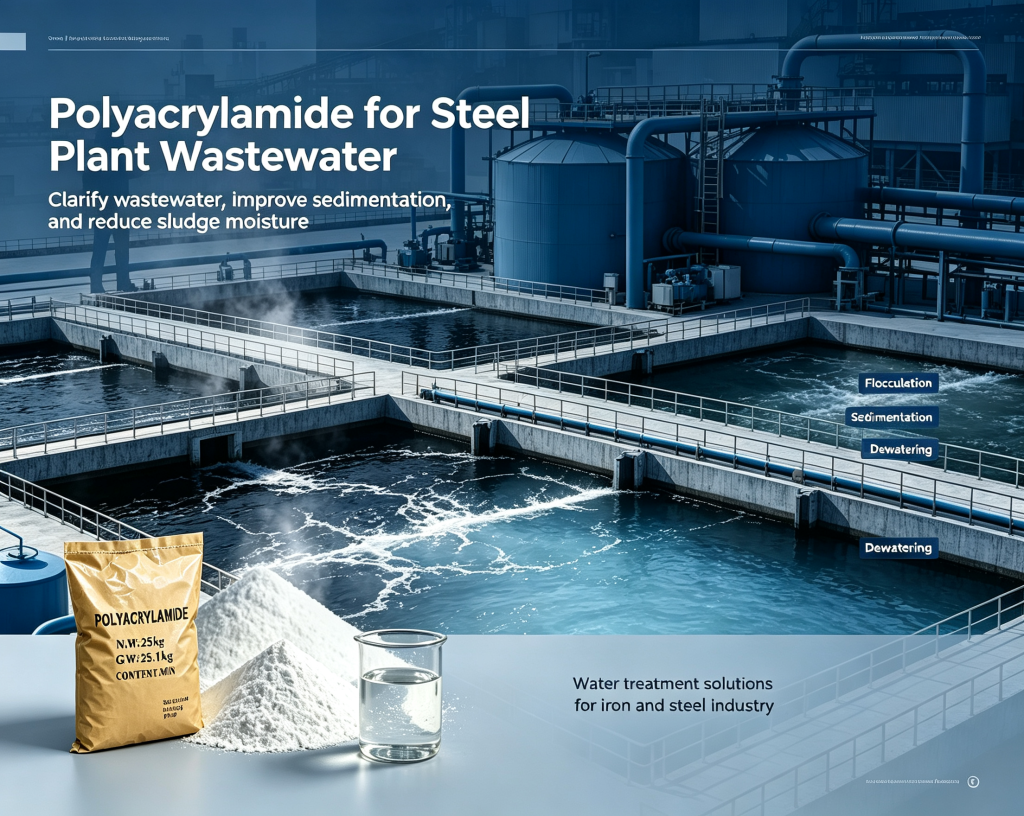
Application of Polyacrylamide (PAM) in Steel Plant Wastewater Treatment
The steel industry generates a large amount of wastewater during processes such as steel production, rolling, cooling, and equipment cleaning. This wastewater usually contains suspended solids, oil, metal particles, and other impurities, making effective treatment essential.
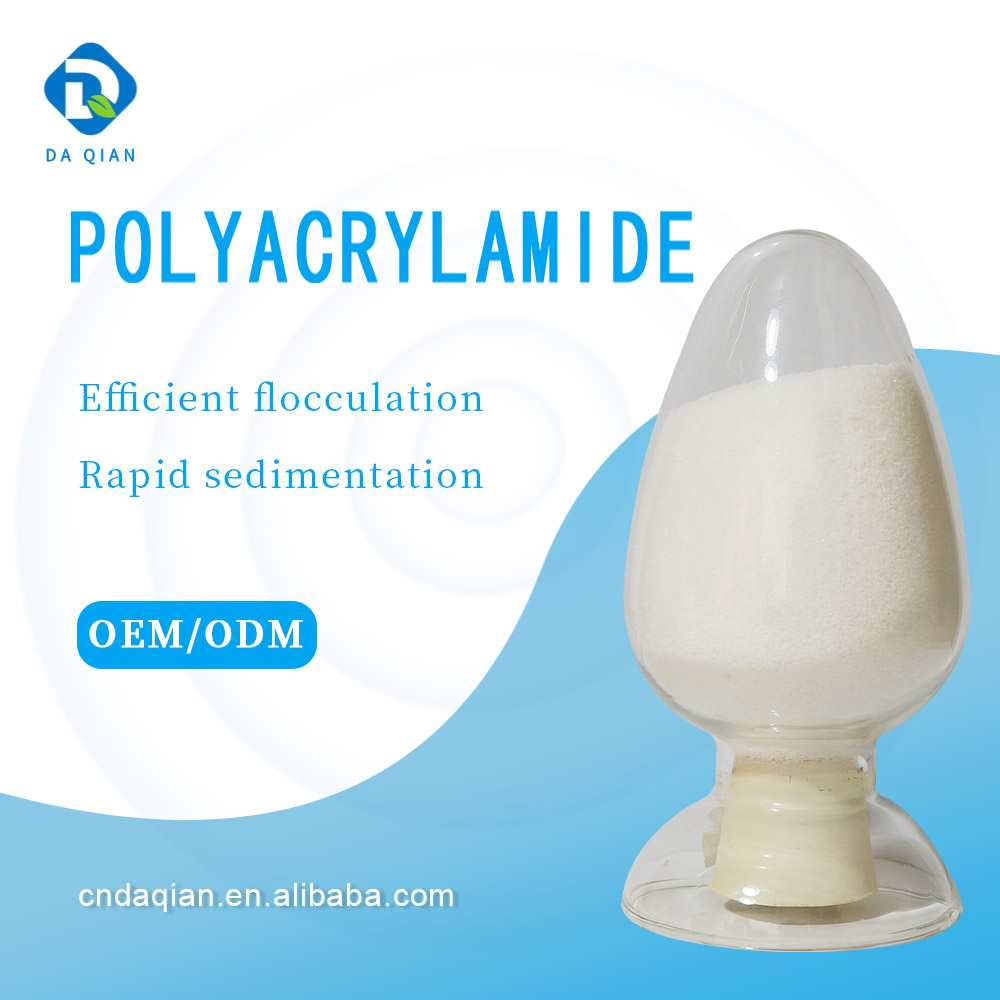
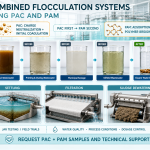
Polyacrylamide (PAM), as an efficient flocculant, plays an important role in steel plant wastewater treatment by improving solid-liquid separation and enhancing water recycling efficiency.
How PAM Helps Steel Plant Wastewater Treatment:
🔹 Improved Flocculation Performance
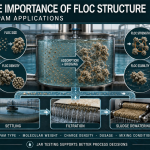
PAM promotes the aggregation of fine suspended particles into larger flocs, making them easier to settle and separate.
🔹 Faster Sludge Settling
With stronger floc formation, sludge can settle faster, improving the efficiency of sedimentation tanks.
🔹 Enhanced Sludge Dewatering
PAM improves sludge filterability and helps reduce water content during dewatering processes.
🔹 Cleaner Recycled Water
Efficient removal of suspended solids helps steel plants achieve better wastewater recycling and reduce water consumption.
Typical Applications in Steel Plants:
✔ Cooling water treatment
✔ Rolling mill wastewater treatment
✔ Sludge thickening and dewatering
✔ Iron oxide scale removal wastewater
✔ Industrial wastewater recycling
Different steel plants have different wastewater characteristics. Selecting the right PAM type and dosage is essential for achieving stable treatment performance.
We provide customized Polyacrylamide solutions based on wastewater conditions and process requirements, helping steel industries improve treatment efficiency and reduce operating costs.
💧 Better flocculation. Better separation. More sustainable steel production.