Company News
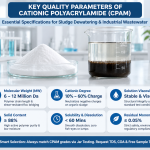
Key Quality Parameters of Anionic Polyacrylamide (APAM)
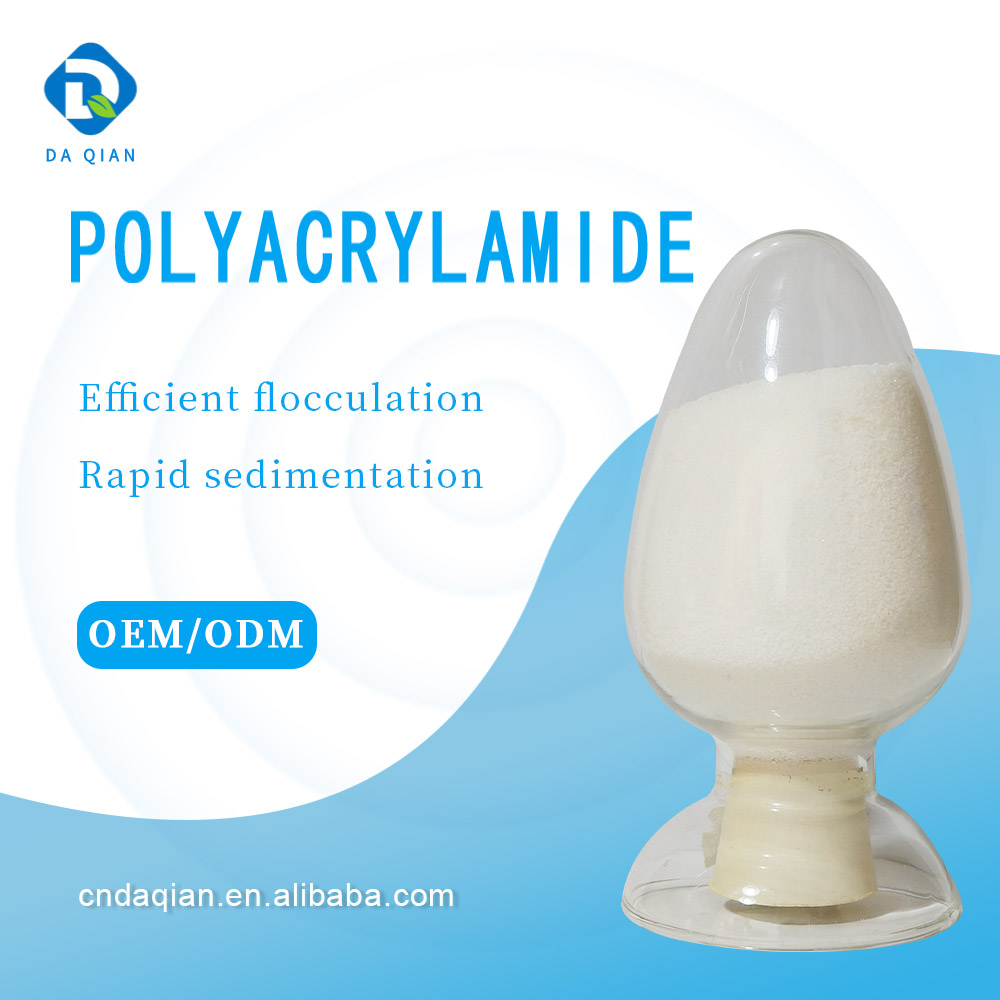
Anionic Polyacrylamide (APAM) is a widely used water-soluble polymer flocculant in mining, sand washing, mineral processing, industrial wastewater treatment, papermaking, and sludge treatment.
Different APAM grades can vary significantly in flocculation performance, dissolution behavior, and practical application results.
So, what are the key parameters to consider when evaluating the quality of anionic polyacrylamide?
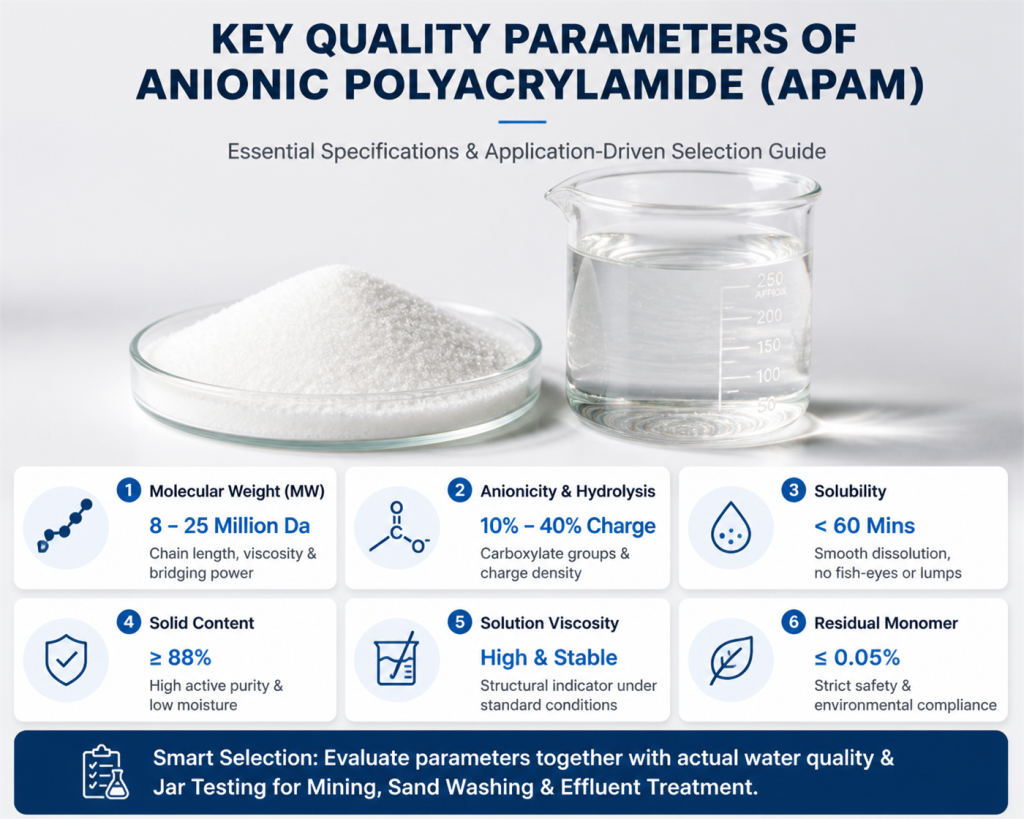
1. Molecular Weight
Molecular weight is one of the important characteristics of anionic polyacrylamide.
It influences polymer chain length, solution viscosity, and adsorption-bridging behavior.
Under suitable application conditions, higher-molecular-weight APAM can help form larger flocs and is commonly used in mining, sand washing, and suspended solids settling.
However, higher molecular weight does not always mean better performance. The appropriate grade should be selected according to water quality, particle characteristics, and treatment conditions.
2. Degree of Anionicity
The degree of anionicity reflects the proportion of negatively charged groups in the APAM polymer chain.
It is an important parameter affecting the product’s interaction with suspended particles and its flocculation performance.
Different anionicity levels may produce different results depending on particle surface properties, water pH, and other water quality conditions.
3. Degree of Hydrolysis
The degree of hydrolysis is an important structural parameter of anionic polyacrylamide. It is generally associated with the formation of carboxylate groups along the polymer chain.
It influences the polymer’s charge characteristics, solution behavior, and interactions with suspended particles.
During product selection, the degree of hydrolysis should be evaluated together with molecular weight, anionicity, and the intended application rather than considered independently.
4. Solid Content
Solid content represents the proportion of solid material in the product.
A high and consistent solid content generally indicates a lower moisture content, supporting product quality control and storage management.
When purchasing APAM, check the technical specifications and batch inspection results to ensure consistent product quality.
5. Solubility
Solubility directly affects PAM preparation and application efficiency.
Incomplete dissolution may lead to fish-eye particles or undissolved polymer lumps, reducing chemical utilization and affecting flocculation performance.
A good-quality APAM should have suitable water solubility. During preparation, dosing speed, mixing intensity, and hydration time should also be properly controlled.
6. Viscosity
Viscosity is a commonly used reference parameter for evaluating PAM solution characteristics.
Under the same testing conditions, viscosity can provide information about the polymer structure and solution properties.
However, viscosity is affected by solution concentration, temperature, testing methods, dissolution time, and water quality. Results from different suppliers should not be compared without considering these testing conditions.
7. Residual Acrylamide Monomer
Residual acrylamide monomer is an important quality and safety parameter for polyacrylamide products.
Acrylamide monomer and polyacrylamide polymer have different toxicological characteristics, making residual monomer content an important consideration.
For drinking water treatment and other applications with specific safety requirements, select products that comply with relevant regulations and verify the corresponding test reports.
Choosing APAM: More Than Just One Parameter
Different applications require different APAM characteristics.
For example:
- Sand washing wastewater: Focus on floc formation, settling speed, and supernatant clarity.
- Mining and mineral processing: Consider mineral particle properties, slurry concentration, and floc settling performance.
- Industrial wastewater treatment: Select products according to suspended solids characteristics, pH, and changing water quality.
- Sludge treatment: Evaluate flocculation performance according to sludge properties and dewatering equipment.
Therefore, molecular weight, anionicity, solubility, and other technical parameters should be evaluated together with the actual application requirements.
Conclusion
Selecting the right anionic polyacrylamide should not be based solely on price or one technical specification.
The key is matching product parameters with actual water quality and treatment conditions.
Before full-scale purchasing and application, we recommend conducting a Jar Test to compare different APAM grades and dosages, helping identify the most suitable product for each specific application.
📩 Looking for Anionic PAM for mining, sand washing, or industrial wastewater treatment? Contact us for product specifications, sample use support, and technical recommendations.