Company News
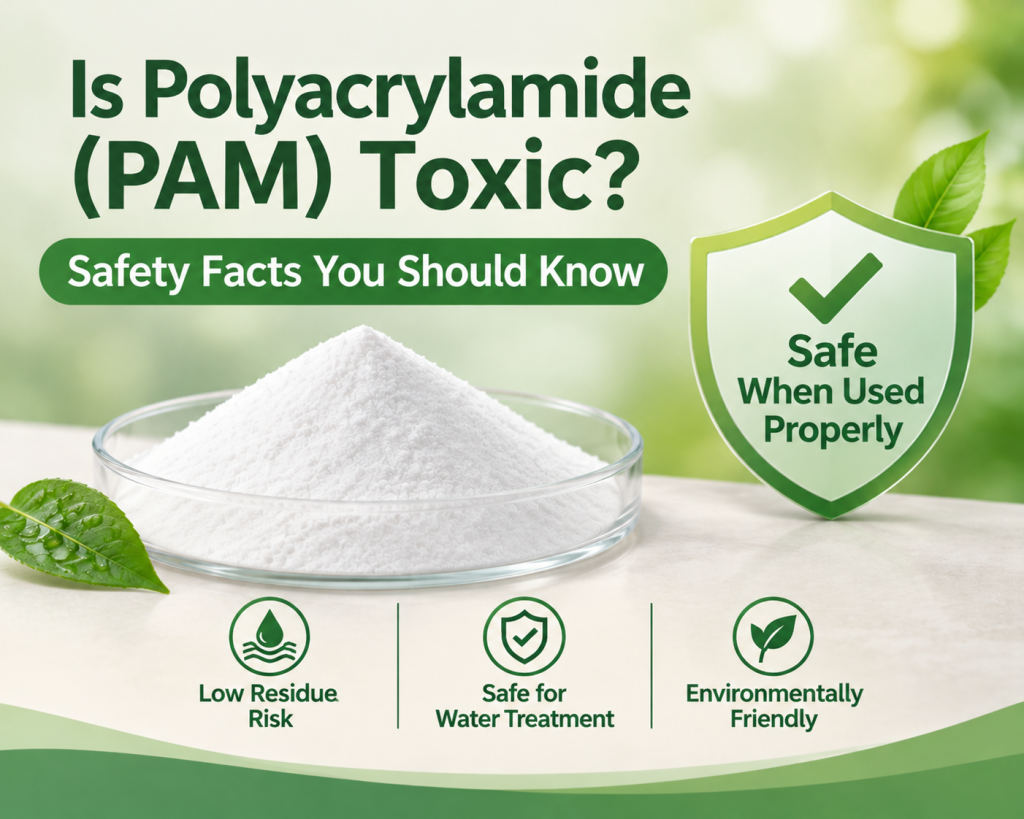
Is Polyacrylamide (PAM) Toxic? Understanding Its Safety and Proper Use
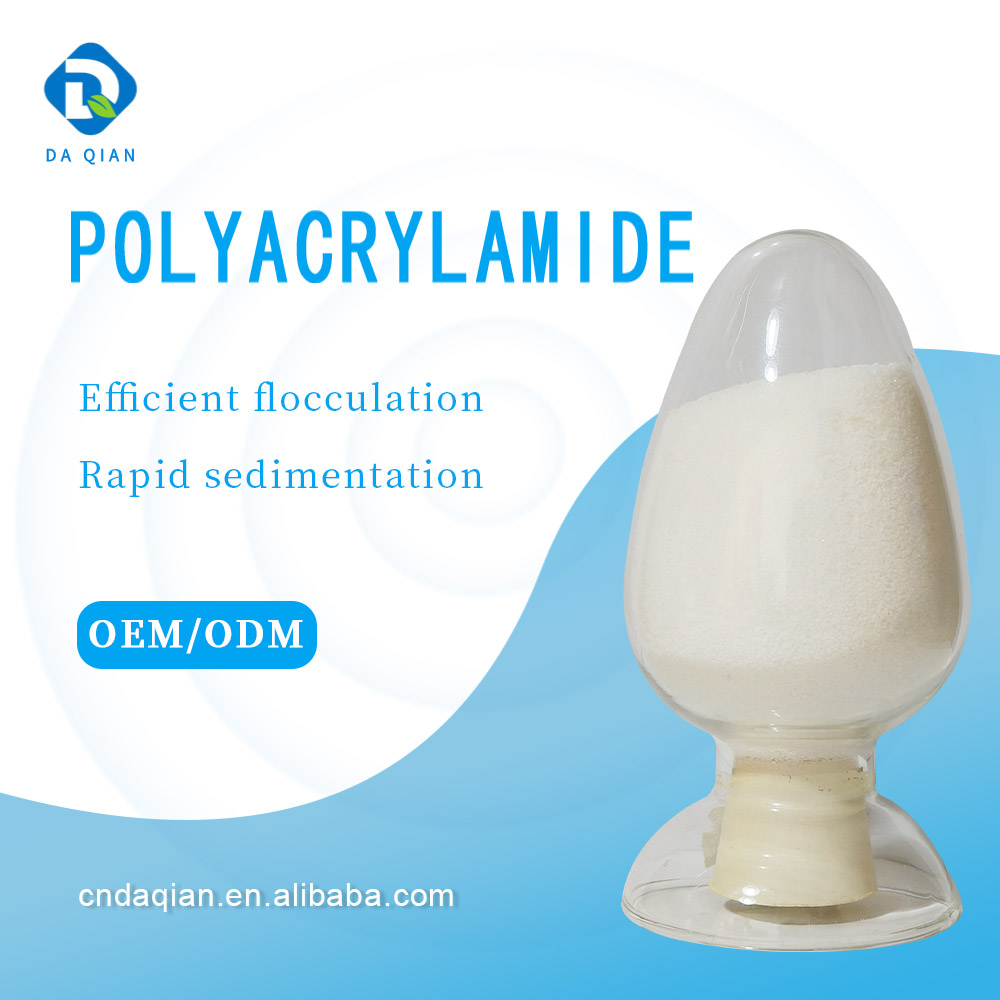
Polyacrylamide (PAM) is a polymer widely used in industrial wastewater treatment, municipal wastewater treatment, sludge dewatering, papermaking, mining, and other industrial applications.
As its use continues to expand, many customers have an important question: Is polyacrylamide toxic? Is it safe to use?
To understand PAM safety, it is important to distinguish between the polyacrylamide polymer itself and residual acrylamide monomer that may remain after production.
1. Is Polyacrylamide Itself Toxic?
Polyacrylamide is a high-molecular-weight polymer produced through the polymerization of acrylamide monomers.
Fully polymerized PAM and unreacted acrylamide monomer have different chemical properties and toxicological characteristics. In general, the polymer itself has relatively low toxicity, but this does not mean that every PAM product is completely free of safety concerns.
Actual product safety depends on factors such as purity, residual monomer content, product type, and intended application.
2. Why Is Residual Acrylamide Monomer Important?
Acrylamide monomer is the raw material used to manufacture polyacrylamide.
If the polymerization reaction is incomplete, small amounts of unreacted acrylamide may remain in the finished product.
Unlike the polymer, acrylamide monomer has recognized health hazards. Long-term or high-level exposure may cause health effects, including effects on the nervous system. Acrylamide is also classified by the International Agency for Research on Cancer (IARC) as a Group 2A agent, meaning it is probably carcinogenic to humans.
Therefore, residual acrylamide monomer content is an important indicator when evaluating PAM product quality and safety.
3. How Can You Evaluate PAM Product Safety?
When selecting a PAM product, consider the following factors:
① Residual Acrylamide Monomer Content
Choose products with available residual acrylamide test data and verify that the results meet the requirements of the intended application.
② Product Quality and Purity
Check technical specifications, manufacturing quality control, and batch consistency instead of judging product quality by price alone.
③ Product Grade and Intended Application
Different applications have different safety requirements. Industrial wastewater treatment, drinking water treatment, and food-related applications require products that comply with the relevant regulations and standards.
④ Testing and Technical Documentation
Ask your supplier for relevant documents, including the Technical Data Sheet (TDS), Safety Data Sheet (SDS), and product quality inspection reports.
4. Safety Precautions When Handling PAM
Even when using a product that meets the required specifications, proper handling, dissolution, and dosing are important.
- Wear protective equipment: When handling dry PAM powder, use suitable protective gloves and safety goggles. Avoid inhaling dust and direct contact.
- Prevent slippery floors: PAM solutions are highly slippery and may create a slipping hazard. Clean up spills promptly.
- Dissolve properly: Follow the product instructions for solution concentration, mixing speed, and hydration time.
- Control the dosage: Determine the appropriate dosage through wastewater analysis and Jar Testing. Avoid excessive dosing.
- Store correctly: Keep the packaging sealed and store the product in a cool, dry, and well-ventilated area.
5. Can PAM Be Used in Drinking Water Treatment?
Yes, but only when the product and its application meet strict requirements.
Not all industrial-grade PAM products are suitable for drinking water treatment. Products used in drinking water applications must comply with the relevant local regulations, product standards, and certification requirements. Residual acrylamide monomer and its potential presence in treated water must also be controlled.
The World Health Organization (WHO) addresses residual acrylamide from polyacrylamide flocculants in its drinking-water guidelines. Its guideline value for acrylamide in drinking water is 0.5 μg/L.
Therefore, drinking water applications require careful evaluation of local regulations, product certification, and actual dosing conditions. Ordinary industrial-grade PAM should not automatically be assumed suitable for drinking water treatment.
Conclusion
Polyacrylamide polymer and residual acrylamide monomer should be evaluated separately.
Selecting reliable PAM products with controlled residual monomer levels and following proper handling, dissolution, storage, and dosing procedures are essential for safe application.
For water treatment operators, product selection should consider not only molecular weight, charge density, and flocculation performance, but also product quality and safety specifications.
📩 Looking for Polyacrylamide (PAM) for industrial wastewater treatment or sludge dewatering? Contact us for product information, technical documentation, and grade selection recommendations.