Company News
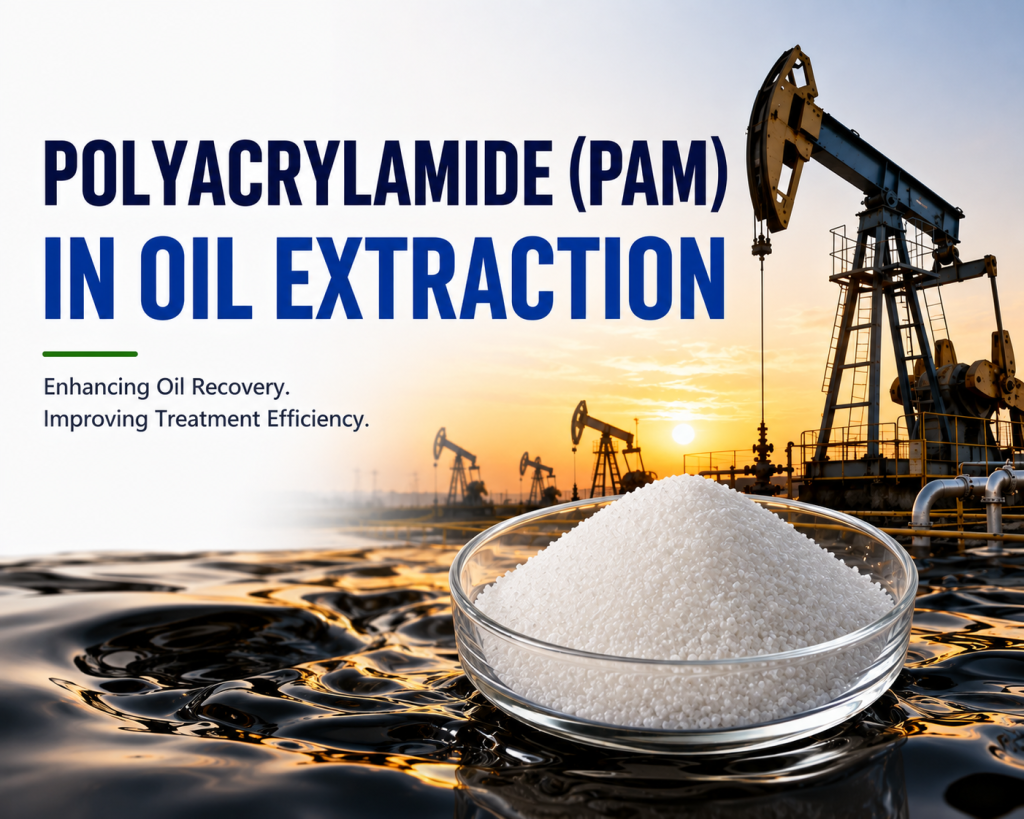
How Is Polyacrylamide (PAM) Used in Oilfield Applications?
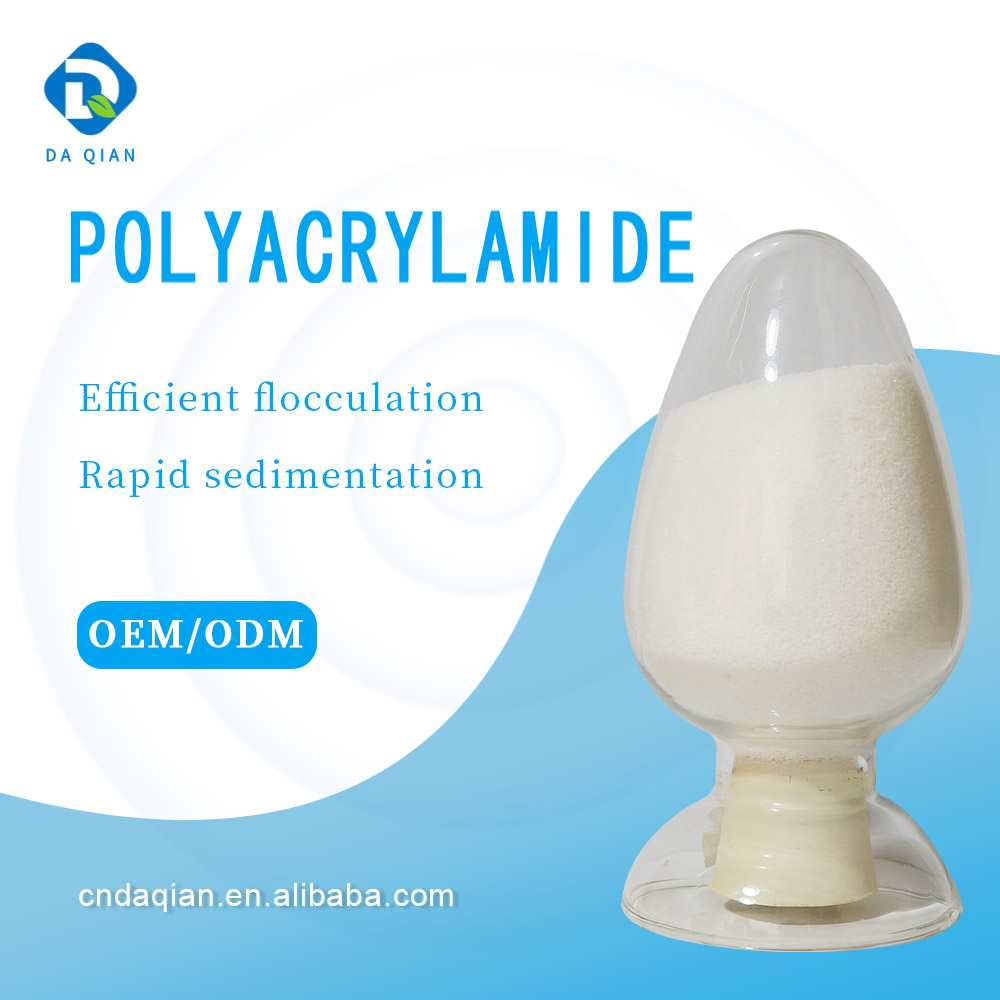
Polyacrylamide (PAM) is widely used in wastewater treatment, mining, sand washing, and sludge dewatering. It is also an important oilfield chemical used in enhanced oil recovery (EOR), polymer flooding, and produced water treatment.
As oil fields enter mature production stages, conventional water flooding may become less efficient. Polymer flooding using PAM can help improve the mobility control of injected water and increase oil displacement efficiency.
1. Polymer Flooding for Enhanced Oil Recovery
During oil production, PAM solution can be injected into the reservoir to increase the viscosity of the displacement fluid and improve the mobility ratio.
PAM can help:
- Improve water mobility control
- Reduce water channeling
- Increase reservoir sweep efficiency
- Improve oil displacement efficiency
This makes PAM an important polymer for polymer flooding and enhanced oil recovery (EOR) applications.
2. Oil-Water Separation
Oil production generates large volumes of produced water containing oil droplets, suspended solids, and other contaminants.
PAM can be used as a flocculant to promote the aggregation of fine oil droplets and suspended particles, helping improve:
Oil-water separation → Solid-liquid separation → Water treatment
3. Produced Water and Oily Sludge Treatment
PAM can also be applied to produced water and oily sludge treatment in oilfield operations.
With the right PAM grade and dosage, flocculation performance can be improved, helping separate contaminants from the water phase and supporting downstream treatment processes.
4. Choosing the Right PAM
PAM selection is critical because oilfield conditions can vary significantly.
Important factors include:
- Molecular weight
- Hydrolysis degree / charge characteristics
- Water salinity
- Temperature
- Reservoir conditions
- Target recovery performance
Laboratory testing and application trials can help identify a suitable PAM grade for specific oilfield conditions.
Conclusion
The major applications of polyacrylamide in the oil industry include enhanced oil recovery, polymer flooding, and produced water treatment.
Selecting the right PAM and optimizing its application according to actual oilfield conditions can help improve treatment performance and resource utilization.
Daqian provides customized polyacrylamide solutions for oilfield and water treatment applications.