Company News
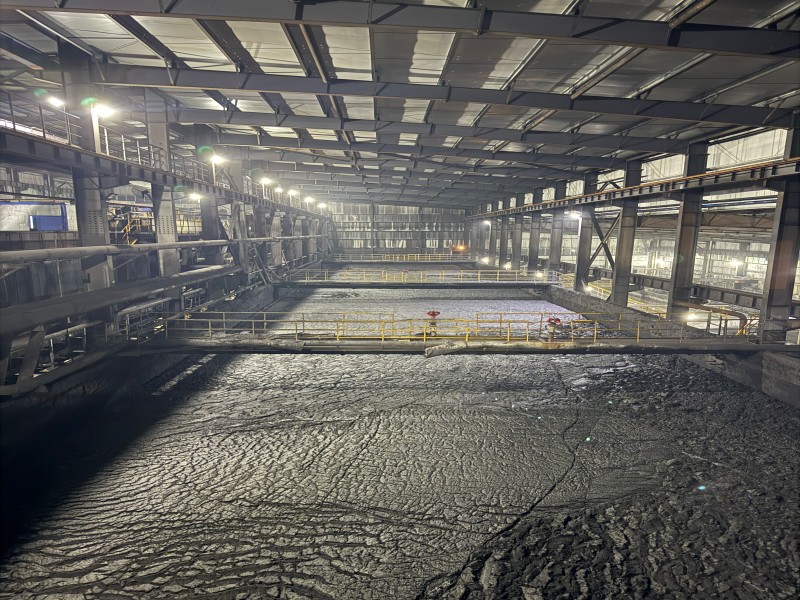
DAQIAN—How Polyacrylamide (PAM) Works in Coal Washing Plants
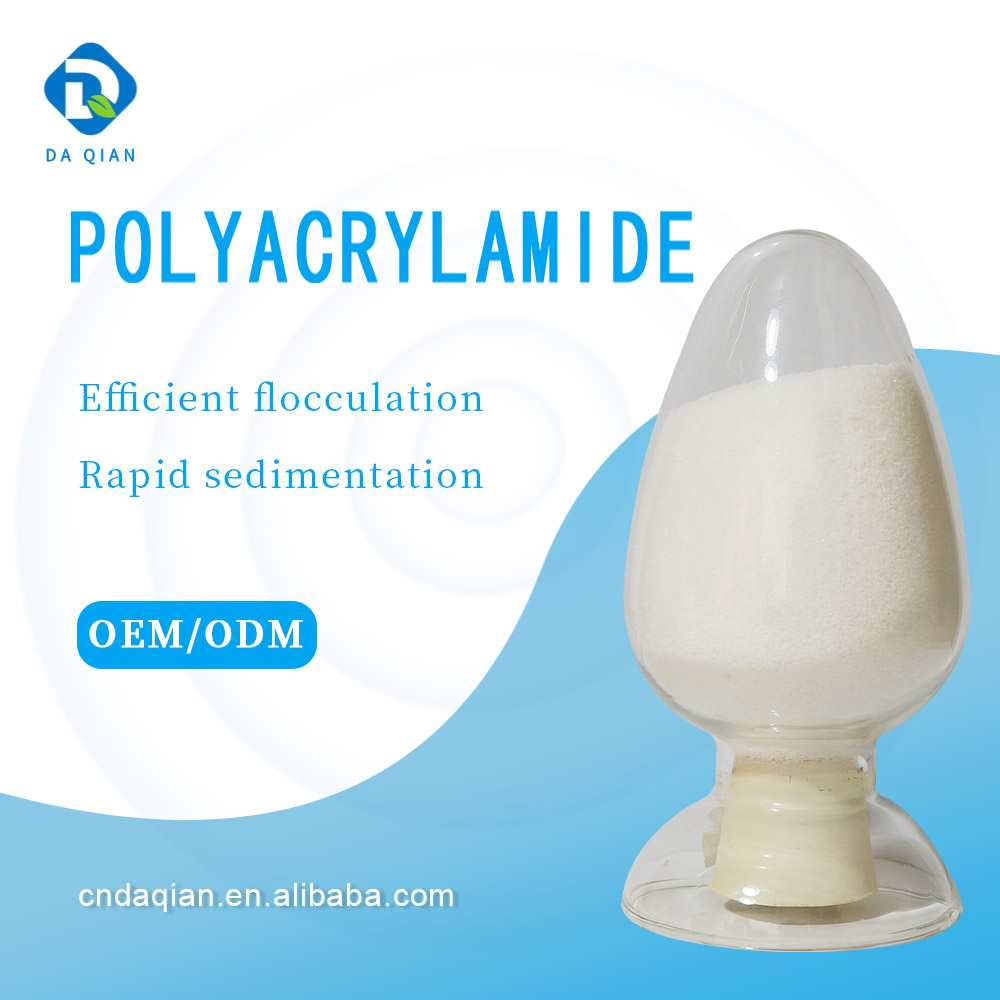
Coal washing wastewater contains a large amount of fine coal particles and suspended solids, making natural sedimentation slow and inefficient. Polyacrylamide (PAM) is widely used as a flocculant to improve solid-liquid separation and water recycling in coal washing plants.
Working Principle
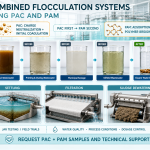
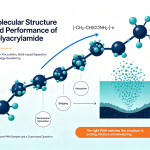
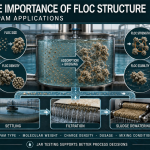
When PAM is added to coal washing wastewater, its long molecular chains adsorb and bridge fine particles together, forming larger flocs. These flocs settle quickly, allowing clean water to separate from the sludge and be reused in the washing process.
Application Method
- Prepare PAM as a dilute solution (typically 0.1%–0.3% concentration).
- Add the solution into the wastewater treatment system or thickener.
- Mix evenly to promote floc formation.
- Allow the flocs to settle and separate from the clarified water.
- Recycle the treated water and dewater the concentrated sludge.
Treatment Results
✔ Faster settling of coal slime and suspended solids
✔ Improved water clarity and reduced turbidity
✔ Higher water recycling rate
✔ Enhanced thickener performance
✔ Reduced sludge handling costs
✔ Lower overall operating expenses
By selecting the appropriate PAM grade and dosage, coal washing plants can significantly improve wastewater treatment efficiency while reducing water consumption and environmental impact.
High-performance Polyacrylamide solutions are available for coal washing wastewater treatment. Contact us for product recommendations and free sample testing.