Company News
How DAQIAN Helped Improve Sludge Dewatering Efficiency
Wastewater treatment plants often face common challenges such as poor sludge settling, high moisture content, excessive chemical consumption, and unstable effluent quality. Choosing the right flocculant can make a significant difference in operational efficiency and treatment cost.
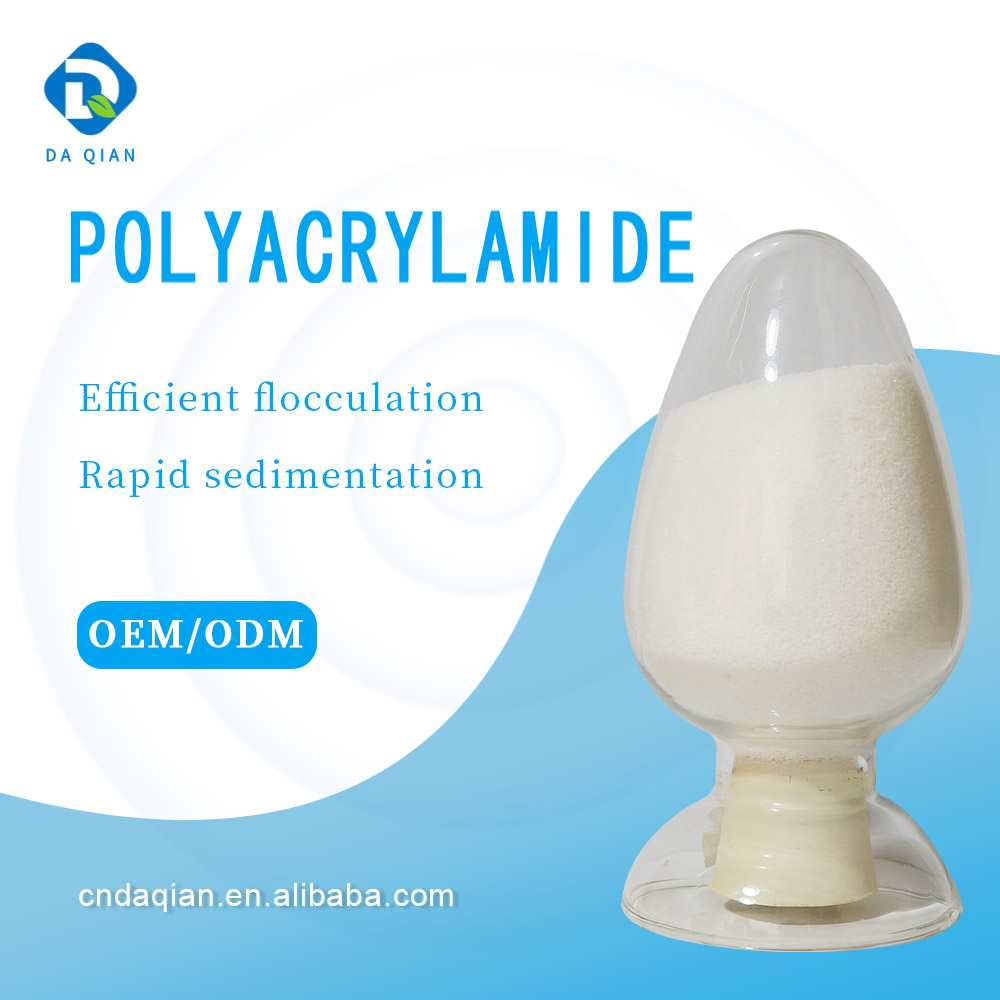
At zhengzhoudaqian, we provide customized Polyacrylamide (PAM) solutions for different wastewater conditions, helping customers achieve clearer water, faster sedimentation, and lower sludge disposal costs.
Real Wastewater Treatment Case Study Customer Background
A medium-sized industrial wastewater treatment plant was experiencing:
- Slow sludge settling speed
- High sludge moisture after dewatering
- Dark and turbid supernatant
- Increased operating costs due to excessive chemical dosage
The customer needed a more efficient flocculation solution to improve sludge dewatering performance and reduce overall treatment costs.
Solution Provided by DAQIAN
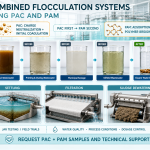
After analyzing the customer’s wastewater characteristics, DAQIAN recommended a tailored PAM flocculant solution combined with optimized dosing guidance.
The resolution process includes:
- Selecting suitable molecular weight and ionicity PAM
- Optimizing dissolution concentration and feeding method
- Adjusting dosage based on sludge concentration
- Improving floc formation and sludge-water separation efficiency
Studies show that properly selected PAM can significantly improve sludge dewatering and solid-liquid separation performance.
Treatment Results
1. Improved Water Clarity
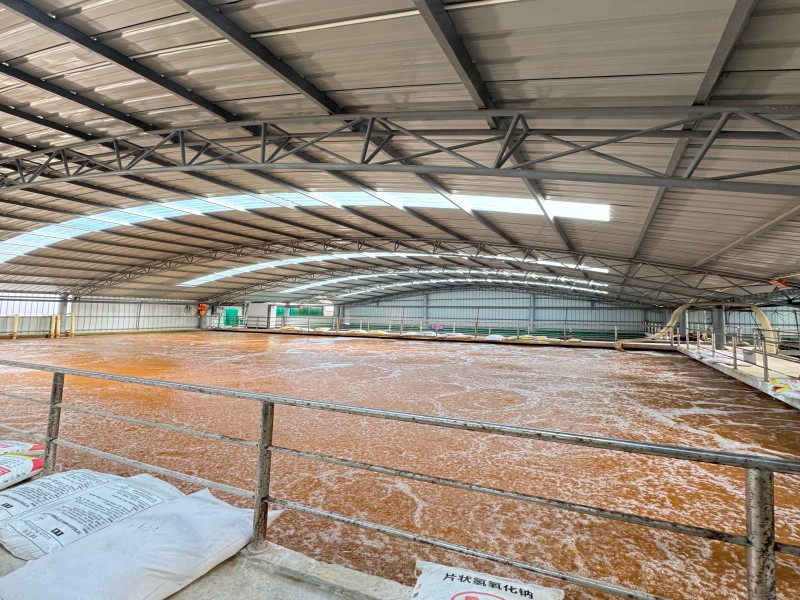
Before treatment, the wastewater appeared dark and heavily contaminated.
After PAM addition and flocculation, suspended solids rapidly settled, and the water became significantly clearer.
2. Faster Floc Formation
Large and compact flocs formed quickly, improving sedimentation speed and reducing processing time.
3. Better Sludge Dewatering
The sludge became easier to separate from water, reducing sludge moisture content and lowering transportation and disposal costs.
Research indicates that optimized PAM conditioning can substantially reduce sludge cake moisture and improve dewatering efficiency.
Why Proper PAM Selection Matters?
Different wastewater types require different PAM specifications.
According to industry applications:
- Cationic PAM (CPAM) is commonly used for municipal and organic sludge dewatering
- Anionic PAM (APAM) is suitable for inorganic wastewater and sedimentation aid
- Nonionic PAM (NPAM) can be used under specific acidic or neutral conditions
Correct selection of ionicity and molecular weight directly affects treatment efficiency and chemical consumption.
DAQIAN Advantages Customized Wastewater Solutions
We recommend suitable products according to your wastewater characteristics and equipment conditions.
Stable Product Quality
High molecular weight PAM with excellent flocculation performance and fast dissolution.
Technical Support
Our technical team assists customers with product selection, dosage optimization, and on-site application guidance.
Wide Industry Applications
Suitable for:
- Municipal wastewater treatment
- Sand washing wastewater
- Mining wastewater
- Paper mills
- Textile and dyeing wastewater
- Food processing wastewater
- Sludge dewatering systems
Conclusion
Efficient wastewater treatment is not only about equipment — choosing the right chemical solution is equally important.
With the proper Polyacrylamide selection and dosing strategy, wastewater plants can achieve:
- Better flocculation performance
- Clearer effluent
- Reduced sludge volume
- Lower operating costs
- Improved treatment stability
DAQIAN continues to help customers worldwide optimize wastewater treatment performance with reliable PAM solutions and professional technical support.
For more wastewater treatment solutions, visit:
ZZDAQIAN Official Website