Company News
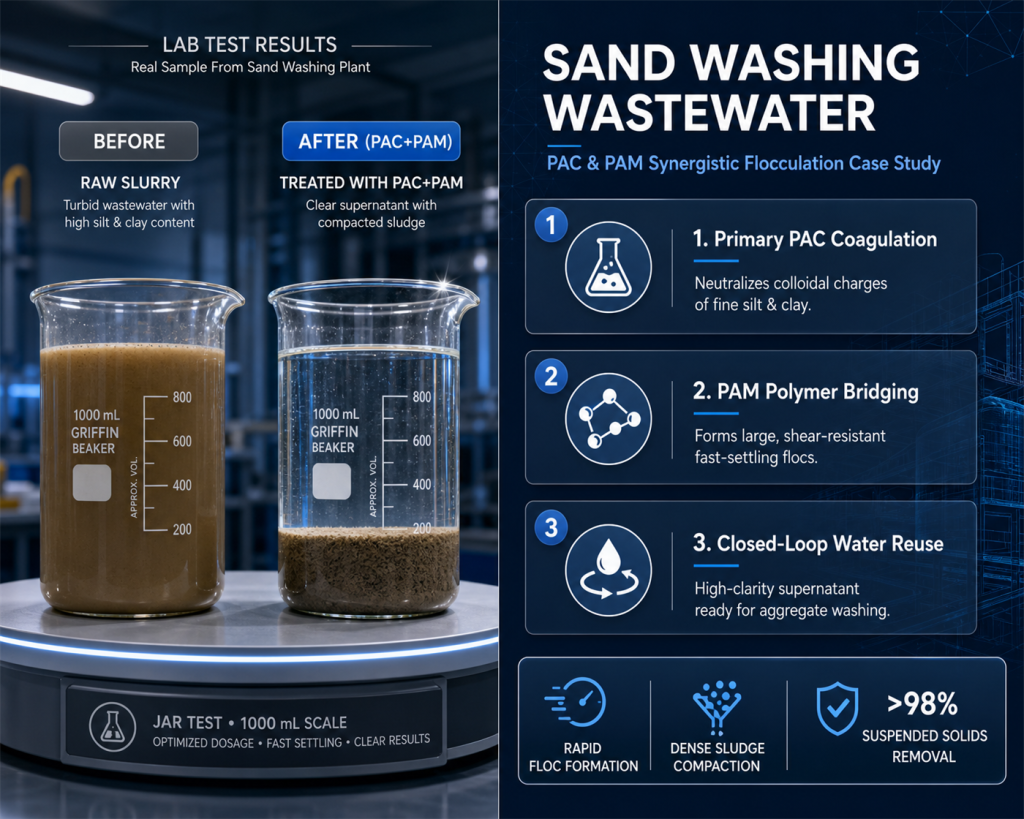
Sand Washing Wastewater Treatment: A PAC and PAM Flocculation Case Study
Sand washing is an essential process in sand production, quarrying, and aggregate processing. During washing, large quantities of wastewater are generated containing fine sand, silt, clay, and suspended particles.
If this wastewater is discharged without proper treatment, it may cause environmental problems and waste valuable water resources. An effective treatment system can help separate suspended solids, improve water clarification, and support water recycling within the production process.
Polyaluminum Chloride (PAC) and Polyacrylamide (PAM) are commonly used water treatment chemicals that can work together to improve floc formation and solid-liquid separation in suitable sand washing applications.
1. Main Challenges in Sand Washing Wastewater Treatment
Sand washing wastewater typically presents several challenges:
- High suspended solids: Fine sand, silt, and clay particles can make the water highly turbid.
- Slow natural settling: Very fine particles may remain suspended for long periods.
- Fluctuating water quality: Different raw materials and washing conditions can change the wastewater characteristics.
- Water recycling requirements: Recovered water needs sufficient clarification before being reused in the washing process.
The appropriate treatment method depends on particle size, clay content, water chemistry, and the required quality of recycled water.
2. How PAC and PAM Work Together
PAC and PAM play different but complementary roles in the treatment process.
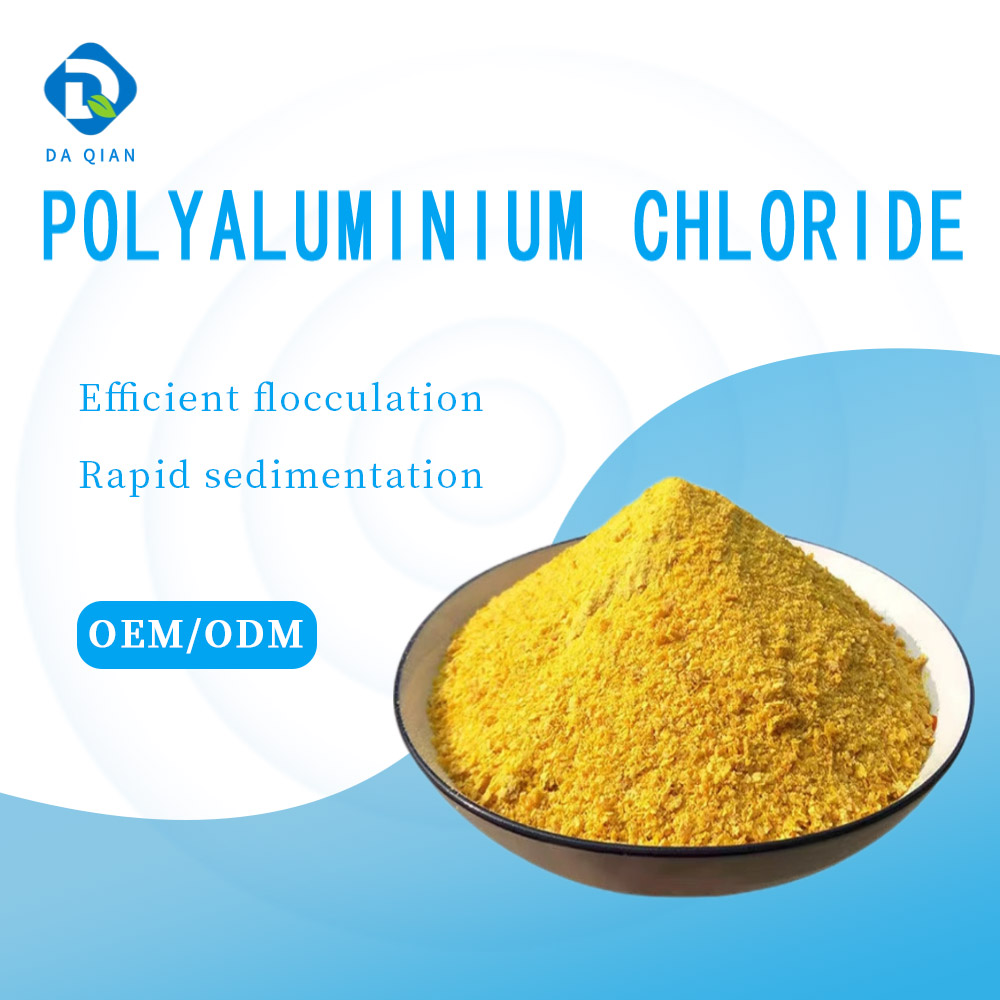
PAC — Coagulation
PAC helps destabilize fine suspended and colloidal particles, allowing them to form smaller aggregates. This initial coagulation stage prepares the particles for further separation.
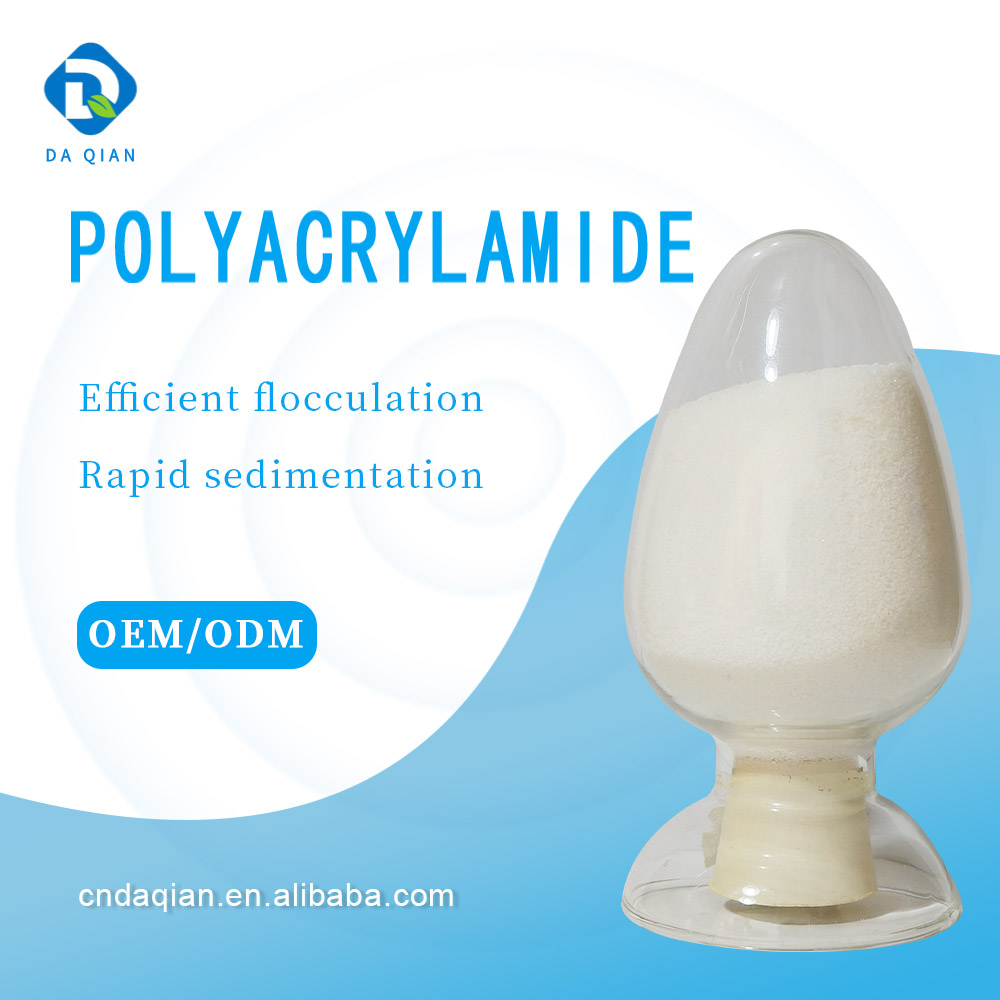
PAM — Flocculation
PAM promotes particle aggregation through adsorption and bridging. A suitable PAM grade can connect smaller particles and aggregates into larger flocs, which may settle more quickly and improve solid-liquid separation.
In many treatment systems, PAC is added first, followed by PAM to strengthen floc formation. However, the correct dosage, sequence, and mixing conditions should be determined through testing with actual wastewater.
3. Application Case: Optimizing Sand Washing Water Clarification
Consider a sand washing plant where wastewater contains fine sand, clay, and suspended mineral particles. The plant needs to separate solids efficiently and recover clarified water for reuse.
A practical treatment evaluation can follow three stages:
Stage 1: Wastewater Assessment
Collect a representative wastewater sample and assess its turbidity, suspended solids, pH, and visible particle characteristics. The clay content and particle size distribution may also influence chemical selection.
Stage 2: PAC and PAM Jar Testing
Test different PAC dosages and suitable PAM grades under controlled conditions. Observe floc formation, settling speed, supernatant clarity, and the characteristics of the separated sludge.
Stage 3: On-Site Verification
Use the test results to establish preliminary dosing conditions, then verify them at the plant. Monitor the clarified water quality, sludge separation, and overall system performance, adjusting the process when necessary.
This approach helps identify a suitable chemical treatment strategy based on the actual wastewater rather than relying on a fixed dosage.
4. Potential Benefits of PAC and PAM Flocculation
When properly selected and applied, PAC and PAM may help sand washing plants:
- Improve the aggregation of fine suspended particles.
- Promote larger flocs and more efficient settling.
- Improve the clarity of treated water.
- Support water recycling in the washing process.
- Reduce unnecessary chemical consumption through dosage optimization.
- Improve the overall efficiency of solid-liquid separation.
Actual results depend on the raw material, clay content, particle characteristics, water chemistry, and equipment configuration. Excessive chemical dosing may increase operating costs or negatively affect treatment performance, so testing is important.
5. Key Factors for Successful Treatment
To achieve reliable results, sand washing plants should pay attention to:
- PAM grade selection: Different particle characteristics may require different PAM types and molecular weights.
- PAC dosage: The optimum dosage depends on wastewater composition and coagulation performance.
- Solution preparation: PAM should be dissolved properly according to product instructions to avoid lumps and inconsistent dosing.
- Mixing conditions: Sufficient mixing is needed for chemical distribution, but excessive agitation after floc formation can break flocs.
- Settling and sludge handling: The settling tank and sludge removal system should match the treatment capacity and solids load.
Conclusion
Sand washing wastewater contains fine particles that can be difficult to remove through natural settling alone. PAC can support coagulation, while PAM enhances flocculation and solid-liquid separation, making their combination a useful option for suitable sand washing wastewater.
By testing actual wastewater samples, selecting appropriate chemical grades, and optimizing dosage, sand washing plants can improve water clarification and support more efficient water recycling.
📩 Looking for PAC and PAM for sand washing wastewater treatment? Contact us for product specifications, sample testing support, and technical recommendations tailored to your application.