Company News
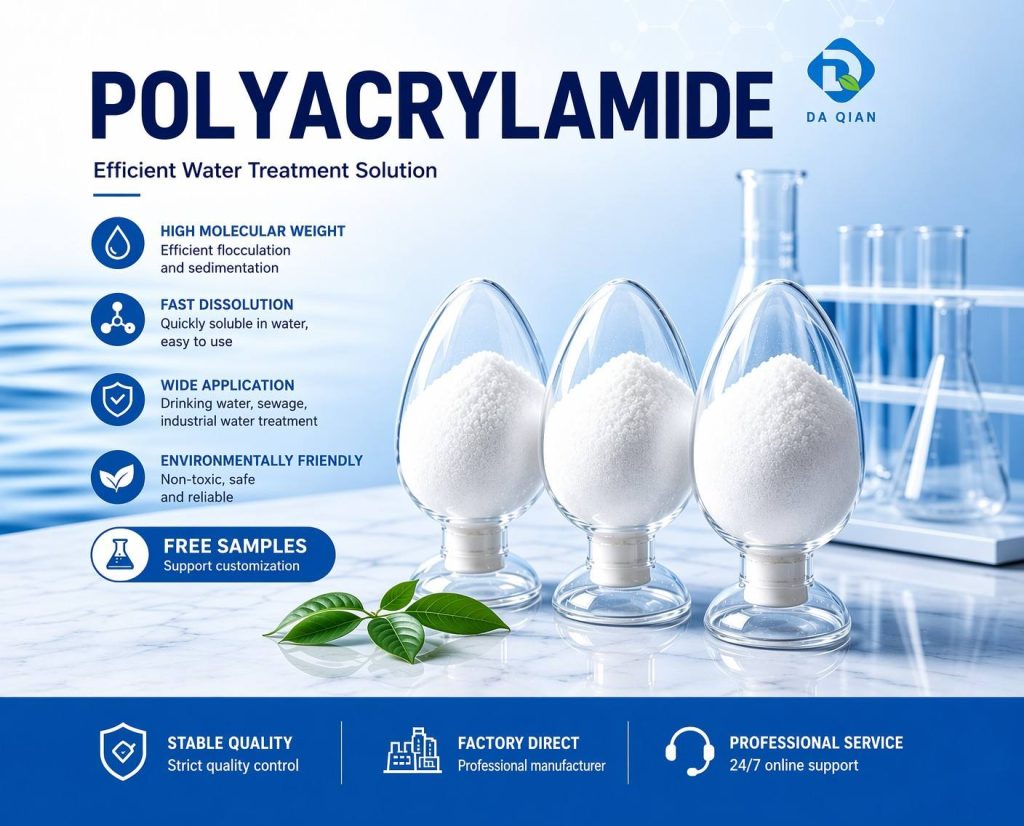
Efficiency in Water Treatment: A Comprehensive Guide to Polyacrylamide (PAM)
1. Product Introduction
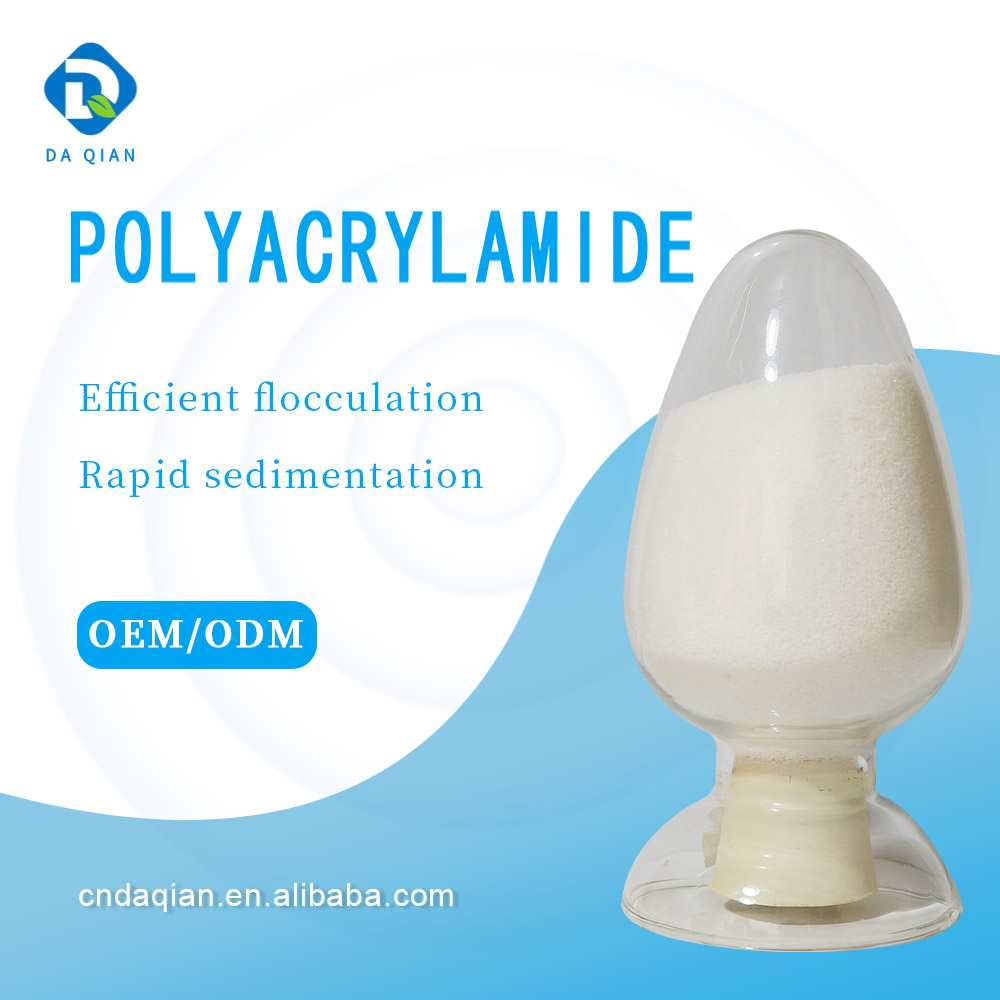
Polyacrylamide (abbreviated as PAM) is a high-molecular water-soluble linear polymer synthesized from acrylamide monomers. It is one of the most widely used water-soluble polymer chemicals in global industrial production. According to different ionic properties, PAM is professionally divided into four types: anionic, cationic, non-ionic, and amphoteric, with complete specifications of powder, granular and emulsion forms to meet diverse industrial scenario demands.
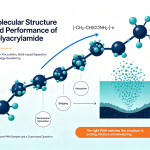
PAM features a long flexible molecular chain and rich active amide groups on its molecular structure. It does not dissolve in most organic solvents and possesses excellent physical and chemical properties including flocculation, adsorption bridging, thickening, drag reduction and paper strengthening. With stable chemical performance and adjustable molecular weight and ionic degree, it can be customized for targeted industrial water treatment and industrial processing needs.
2. Core Application Scenarios
Polyacrylamide is known as the “universal industrial flocculant”, covering environmental protection, energy, manufacturing and other core industries, with precise matching for different types:
-
Water & Wastewater Treatment (Main Application): Anionic PAM is suitable for industrial wastewater, river water purification and suspended sediment removal; cationic PAM is specialized in sludge dewatering, municipal sewage and organic wastewater treatment; non-ionic PAM adapts to high-salinity and low-temperature special water quality environments. It effectively aggregates fine suspended particles, colloids and organic impurities in water to form large and dense flocs for rapid precipitation and clarification.
-
Paper Making Industry: Serves as a paper strengthening agent, retention aid and filter aid, which improves paper tensile strength and whiteness, reduces pulp loss, and lowers production wastewater discharge.
-
Mining & Metallurgy: Applied for ore washing wastewater clarification, tailings settlement and solid-liquid separation, improving ore utilization rate and reducing environmental pollution.
-
Textile & Construction Industry: Used for textile sizing, construction mortar thickening and mud drag reduction, stabilizing product quality and reducing construction costs.
3. Key Advantages of Using PAM
-
High Efficiency & Low Dosage: Trace addition achieves excellent flocculation and purification effects. Compared with traditional inorganic flocculants, the dosage is reduced by 30%–50%, greatly lowering overall chemical costs.
-
Fast Reaction & Stable Effect: Rapidly adsorbs and bridges suspended particles, with fast floc formation and settling speed. The treated water quality is stable, not affected by mild fluctuations of water temperature and pH value.
-
Multi-functional & Wide Compatibility: Four ionic types cover almost all industrial water quality and production demands, integrating flocculation, thickening, drag reduction and strengthening functions in one material.
-
Energy-saving & Environmental Friendly: Produces less sludge after treatment, reduces sludge disposal pressure. No secondary pollution, compliant with global industrial environmental protection discharge standards.
-
Good Solubility & Easy Operation: Fast water dissolution, no agglomeration. It can be quickly dissolved and used at room temperature, with simple dosing process and low equipment matching requirements.
-
Strong Customization: Molecular weight and ionic degree can be adjusted according to customer working conditions to achieve targeted optimal use effect.
4. Professional Test & Practical Effect Data
We have completed multiple industrial simulation tests and on-site pilot tests for different types of PAM, and the experimental data verifies its superior performance compared with traditional flocculants:
-
Water Purification Test Effect: For industrial suspended wastewater, after adding diluted PAM solution, fine turbid particles completely aggregate within 3–5 seconds, large flocs settle completely within 30 seconds. The water turbidity removal rate reaches 96.8%, and the treated water can meet factory reuse standards.
-
Sludge Dewatering Test: For municipal and industrial organic sludge, cationic PAM effectively separates sludge and water. The sludge moisture content is reduced from 98% to below 80%, and the sludge volume is reduced by more than 60%, greatly reducing transportation and processing costs.
-
Oilfield EOR Test: Field pilot tests in high-salinity and high-temperature oilfields prove that modified PAM has excellent salt and temperature resistance. It stably improves oil displacement efficiency, with the oil recovery rate increased by 15%, far exceeding the average improvement effect of ordinary polymer products.
-
Cost-saving Test Data: Under the same water treatment capacity, PAM comprehensively reduces chemical consumption, sludge disposal and equipment operating costs by 25%–40% annually for enterprises, with significant economic benefits.

5. Usage Notes & Precautions
Although polyacrylamide features high efficiency and stable performance, standardized operation is essential to avoid affecting the treatment effect and product activity. The key usage precautions are summarized as follows for industrial operation reference:
-
Strictly Control Dissolution Concentration: The recommended dilution concentration of PAM is 0.1%–0.3%. Excessively high concentration will cause liquid viscosity surge, difficult stirring and uneven drug distribution; too low concentration will reduce flocculation efficiency and increase dosing frequency.
-
Avoid High-speed Stirring & High Temperature: During dissolution, low-speed stirring (200–300r/min) is required. Violent stirring and long-time high-temperature heating will break PAM molecular chains, damage flocculation activity and greatly reduce the use effect.
-
Prevent Caking & Slow Feeding: Powdered PAM is easy to absorb moisture and cake. It is necessary to uniformly and slowly scatter the powder into circulating water to avoid agglomeration, which will cause waste and pipeline blockage.
-
Match Model According to Working Conditions: Anionic, cationic and non-ionic PAM are not universal. Wrong model selection will lead to no flocculation effect or deteriorated water quality. Professional model selection is required according to water quality, sludge properties and industry scenarios.
-
Fresh Preparation & Timely Use: PAM aqueous solution has limited activity retention time. It is recommended to use up the prepared solution within 24 hours. Long-term placement will lead to molecular inactivation and reduced purification performance.
-
Safe Storage Environment: Store PAM products in a dry, cool and ventilated warehouse, avoid long-term exposure to sunlight, rain and humid environment, to prevent moisture deterioration and performance attenuation.