Company News
Landfill Leachate Treatment: A PAC and PAM Flocculation Case Study
Project Overview
Landfill leachate is a complex wastewater generated when water passes through waste materials and carries dissolved and suspended contaminants. Its composition can vary significantly depending on landfill age, waste characteristics, rainfall, and operating conditions.
High suspended solids, colloidal particles, color, and organic pollutants can make landfill leachate treatment challenging. Selecting suitable treatment chemicals is therefore essential for improving solid-liquid separation and supporting stable downstream treatment.
This case study presents a practical approach to evaluating Polyaluminum Chloride (PAC) and Polyacrylamide (PAM) as part of a landfill leachate treatment process.
1. Treatment Challenges
During landfill leachate treatment, operators may encounter several challenges:
- Complex wastewater composition: Leachate quality can change over time, making chemical selection more difficult.
- Fine suspended and colloidal particles: Small particles may remain in suspension and settle slowly.
- Difficult floc formation: Unsuitable chemical types or dosing conditions may result in weak or poorly settling flocs.
- Unstable treatment performance: Changes in water quality can affect chemical consumption and separation efficiency.
A suitable chemical treatment strategy needs to consider the actual leachate characteristics rather than relying on a fixed dosage for every operating condition.
2. PAC and PAM: A Combined Flocculation Approach
PAC and PAM can perform complementary functions in a properly designed treatment process.
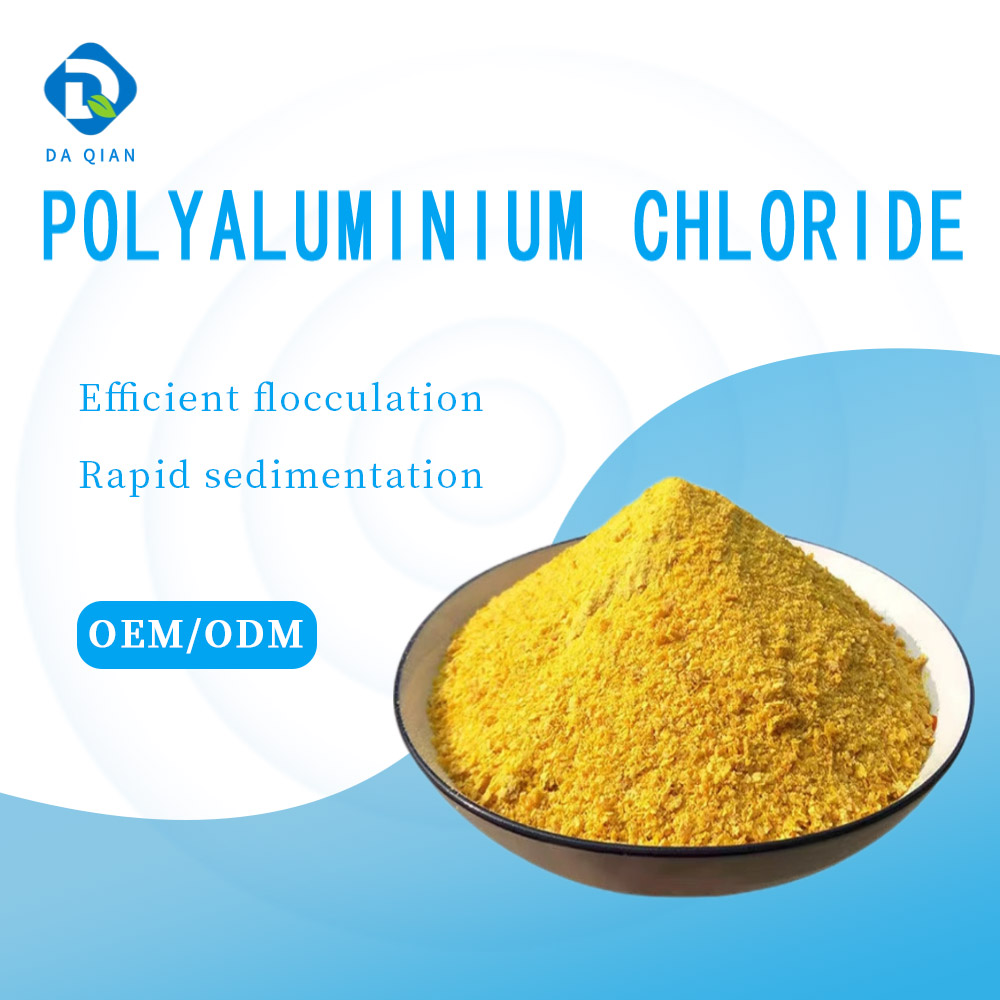
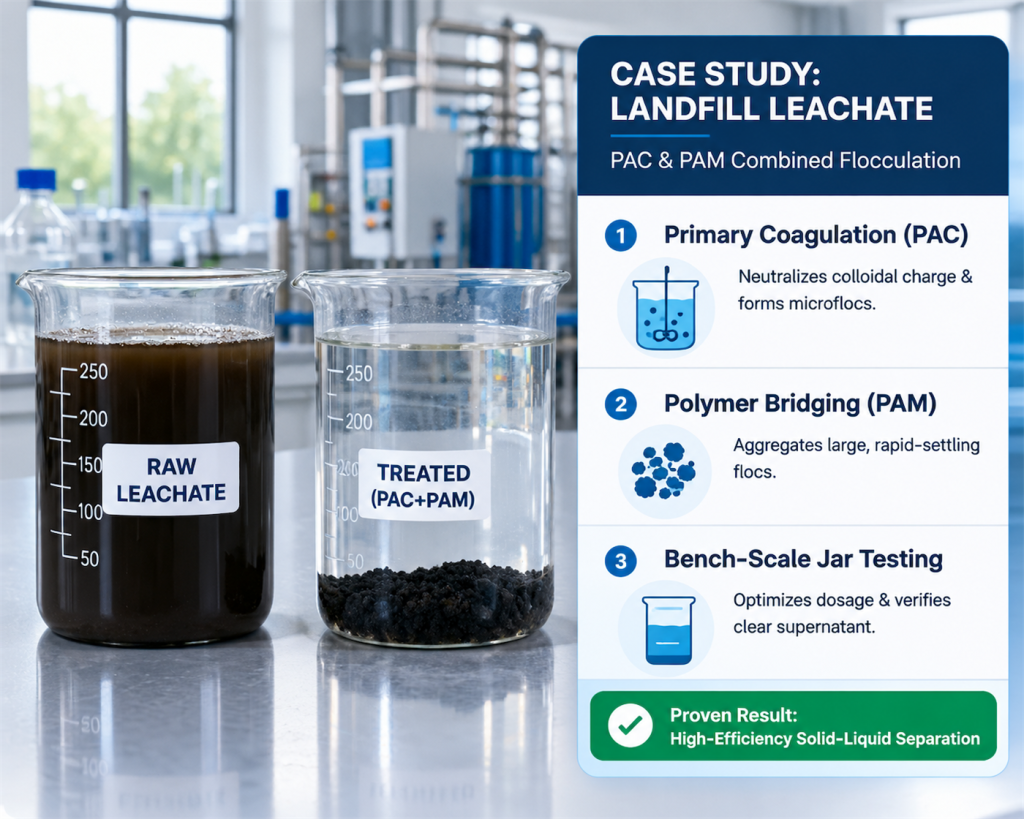
PAC — Primary Coagulation
PAC helps destabilize colloidal particles and promotes the formation of initial microflocs. Its performance depends on factors such as pH, water composition, and dosage.
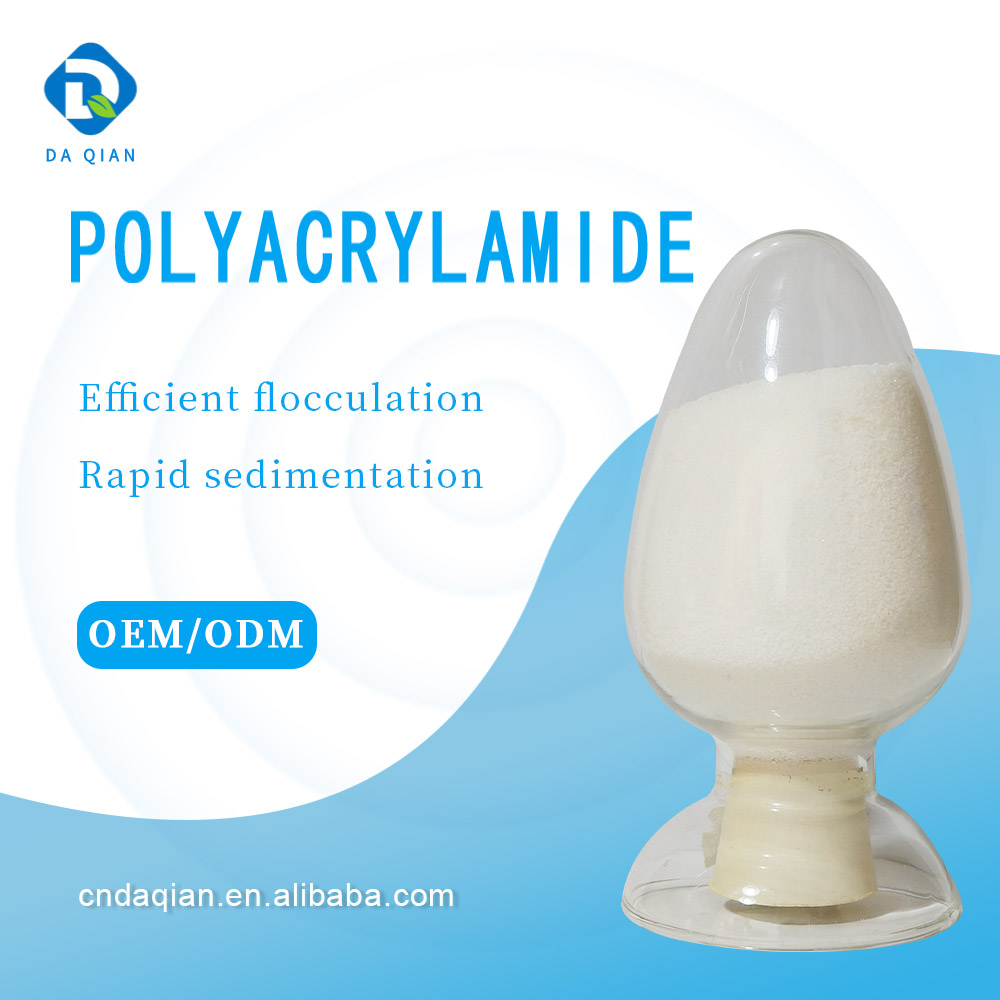
PAM — Flocculation Enhancement
PAM works mainly through adsorption and bridging, helping smaller particles and microflocs aggregate into larger flocs. Suitable flocs can improve settling and subsequent solid-liquid separation.
When used together, PAC can support initial coagulation, while PAM can strengthen floc formation. However, the effectiveness of this combination depends on the wastewater characteristics, product selection, and operating conditions.
3. Testing and Process Optimization
Before full-scale application, jar testing is an important step in identifying suitable chemical grades and dosing conditions.
A practical evaluation can include:
- Testing different PAC dosages and checking coagulation performance.
- Comparing suitable PAM grades and concentrations.
- Observing floc size, strength, formation time, and settling behavior.
- Monitoring supernatant clarity and sludge separation.
- Evaluating pH and other relevant water quality parameters.
The tests should be conducted using representative leachate samples. Where necessary, small-scale trials can then be used to verify the selected conditions under actual operating circumstances.
In many combined treatment systems, PAC is added first, followed by PAM after the initial coagulation stage. The appropriate mixing intensity, dosing interval, and chemical dosage should be established through testing rather than assumed in advance.
4. Expected Treatment Benefits
When the chemical grades and operating conditions are properly matched to the leachate, a PAC and PAM combination may help to:
- Improve the aggregation of suspended and colloidal particles.
- Form larger flocs that are easier to separate.
- Enhance sedimentation and solid-liquid separation.
- Support more consistent operation of downstream treatment units.
- Optimize chemical consumption through dosage testing.
Actual performance varies with leachate composition and the overall treatment process. Coagulation and flocculation alone may not remove all dissolved organic matter, ammonia, or other contaminants, so additional treatment stages may still be required to meet discharge or reuse requirements.
5. Key Lessons from the Case Study
The main lesson is that successful landfill leachate treatment depends on more than simply choosing PAC or PAM.
The most effective approach is to understand the wastewater, compare suitable chemical grades, determine the appropriate dosage, and verify performance through jar testing and on-site trials.
A well-optimized PAC and PAM system can serve as an important part of a broader leachate treatment strategy, helping improve separation performance and support more stable operation.
Conclusion
Landfill leachate presents changing and complex treatment challenges. By combining PAC for coagulation with PAM for flocculation where appropriate, treatment operators can develop a chemical treatment strategy tailored to their specific wastewater.
The key to reliable results is proper product selection, controlled dosing, and performance verification using actual leachate samples.
📩 Looking for PAC and PAM for landfill leachate treatment? Contact us for product specifications, sample testing support, and technical recommendations for your application.