Company News
A Winter Guide to Using Polyacrylamide (PAM) and Polyaluminum Chloride (PAC) in Low-Temperature Conditions
As winter temperatures fall, water temperatures also decrease, potentially affecting coagulation, flocculation, and sedimentation in wastewater treatment. Polyaluminum chloride (PAC) and polyacrylamide (PAM) are widely used water treatment chemicals. Under low-temperature conditions, optimizing chemical preparation, dosing methods, and process parameters can help maintain stable treatment performance.
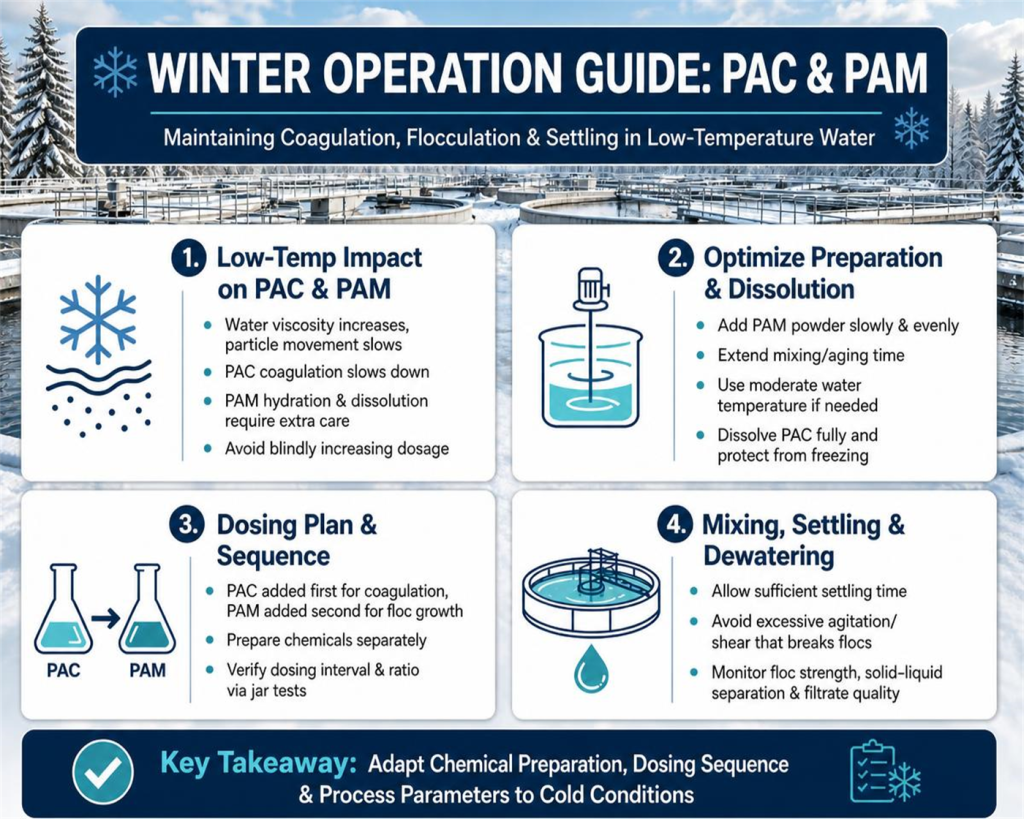
1. How Low Temperatures Affect PAC and PAM
Low temperatures reduce particle movement in water and increase water viscosity, which can slow down floc formation and settling.
For PAC, cold conditions may affect coagulation reactions and floc formation, resulting in smaller flocs or slower settling. For PAM, low temperatures can slow powder hydration and dissolution. Incomplete dissolution may lead to lumps and reduce application efficiency.
During winter operation, it is therefore important to monitor water temperature, floc characteristics, and treated water quality rather than simply increasing chemical dosage.
2. Optimize Chemical Preparation and Dissolution
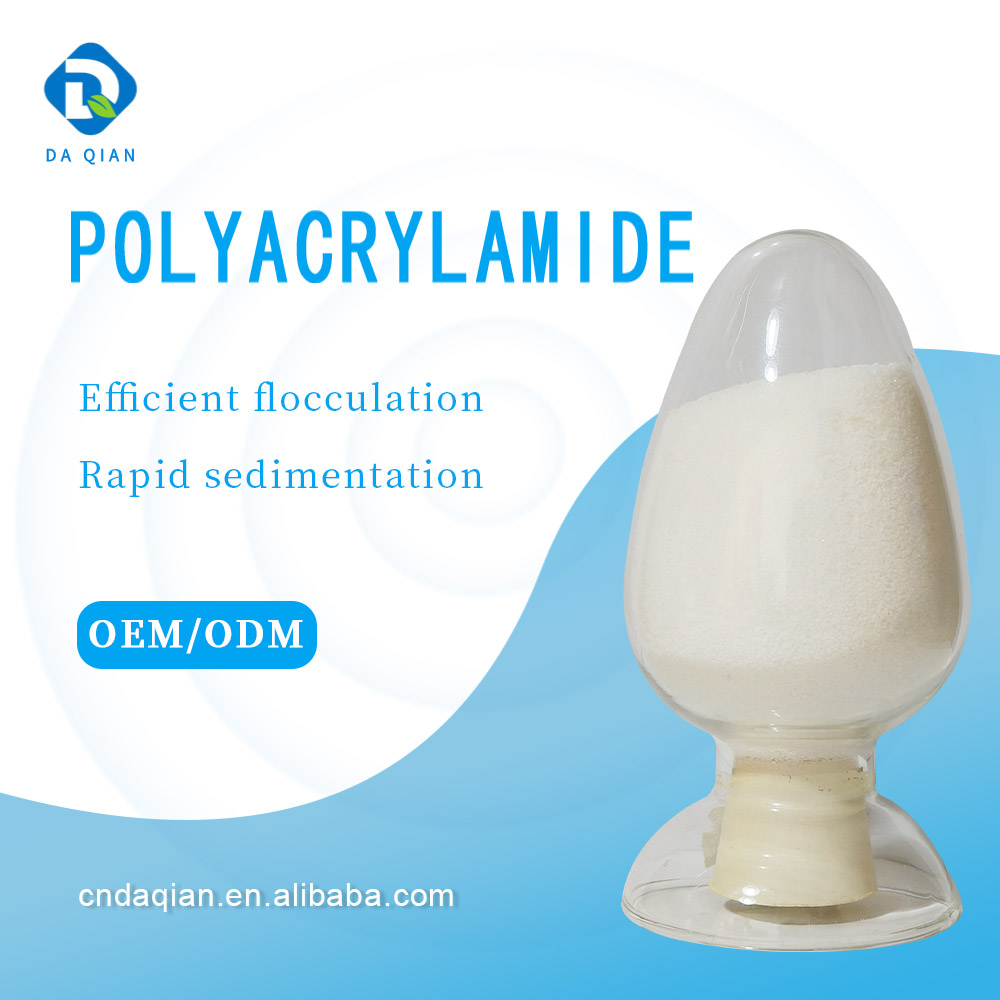
PAM preparation: Add PAM powder slowly and evenly into water while maintaining moderate agitation. Avoid adding a large amount at once, as this can cause lumps. At low temperatures, mixing and aging time may need to be extended to ensure complete dissolution. If warming the preparation water is necessary, follow the product supplier’s recommendations and avoid excessive temperatures.
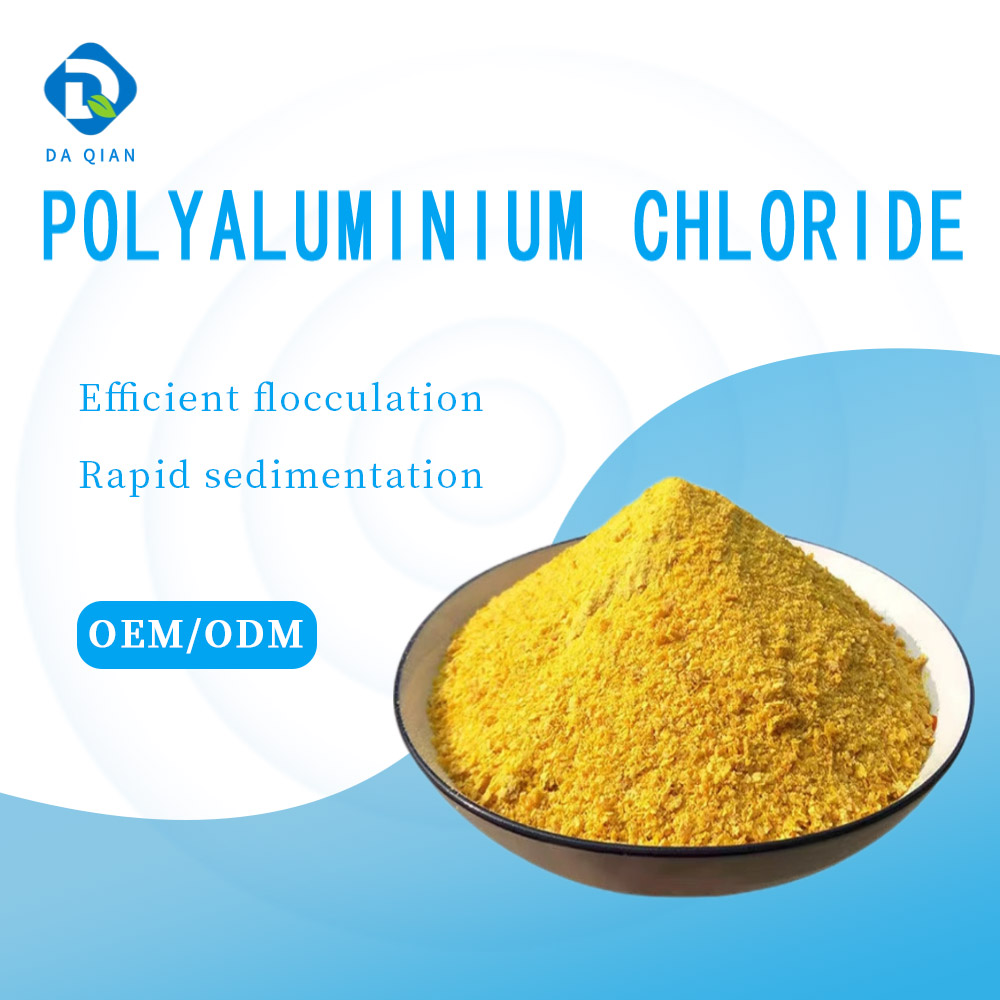
PAC preparation: Prepare solid PAC according to the product instructions and ensure that it dissolves properly. Liquid PAC should be used or diluted according to its specifications and the requirements of the treatment process. During winter, pay attention to storage conditions to prevent freezing or improper storage from affecting product performance.
3. Adjust Dosage and Dosing Sequence
The chemical dosing plan used in warmer weather may not remain optimal under low-temperature conditions. However, PAC and PAM dosages do not necessarily need to increase. Adjustments should be based on changes in water quality and actual treatment performance.
In many combined treatment processes, PAC is added first for coagulation, followed by PAM to promote floc growth. The two chemicals should be prepared separately rather than mixed directly. The dosing sequence, interval, and dosage should be verified through jar tests or on-site trials under actual operating conditions.
4. Optimize Mixing, Settling, and Sludge Dewatering
Flocs may form more slowly in winter, and settling may require additional time. Operators can adjust mixing intensity and settling time according to actual conditions while avoiding excessive agitation that could break formed flocs.
For sludge dewatering, observe floc strength, solid-liquid separation, and filtrate or effluent quality. If dewatering performance declines, check the PAM grade, dosage, dissolution quality, and equipment operating conditions instead of changing only one parameter.
Conclusion
Successful winter use of PAC and PAM depends on adapting chemical preparation, dosing strategies, and treatment processes to low-temperature conditions. Regular water temperature monitoring, floc observation, and jar testing or on-site trials can help optimize chemical dosage and maintain stable coagulation, flocculation, and solid-liquid separation performance.
Looking for PAC and PAM products suitable for your water treatment process? Contact us for product specifications, sample testing support, and technical guidance.